Why We Celebrate the Unsung Heroes
As elementary children admire heroes, Montessori uses this to inspire leadership, cooperation, and appreciation for both known and unknown heroes.
As children move from early childhood into their elementary years, they become very attuned to heroes. In fact, in Montessori we call this “hero worship,” and we consider it an amazing opportunity! This concept was actually just discussed at East Bay Montessori's Tween to Teen Parent Event that we hosted a couple weeks ago.
Our elementary-age children are figuring out their moral compass, which partially sparks this strong attraction toward heroes. Often, we see children become focused on sporting personalities, movie and television stars, singers, and sometimes even teachers! Children may even choose to emulate a classmate or slightly older peer.
Understanding the Self & the Group
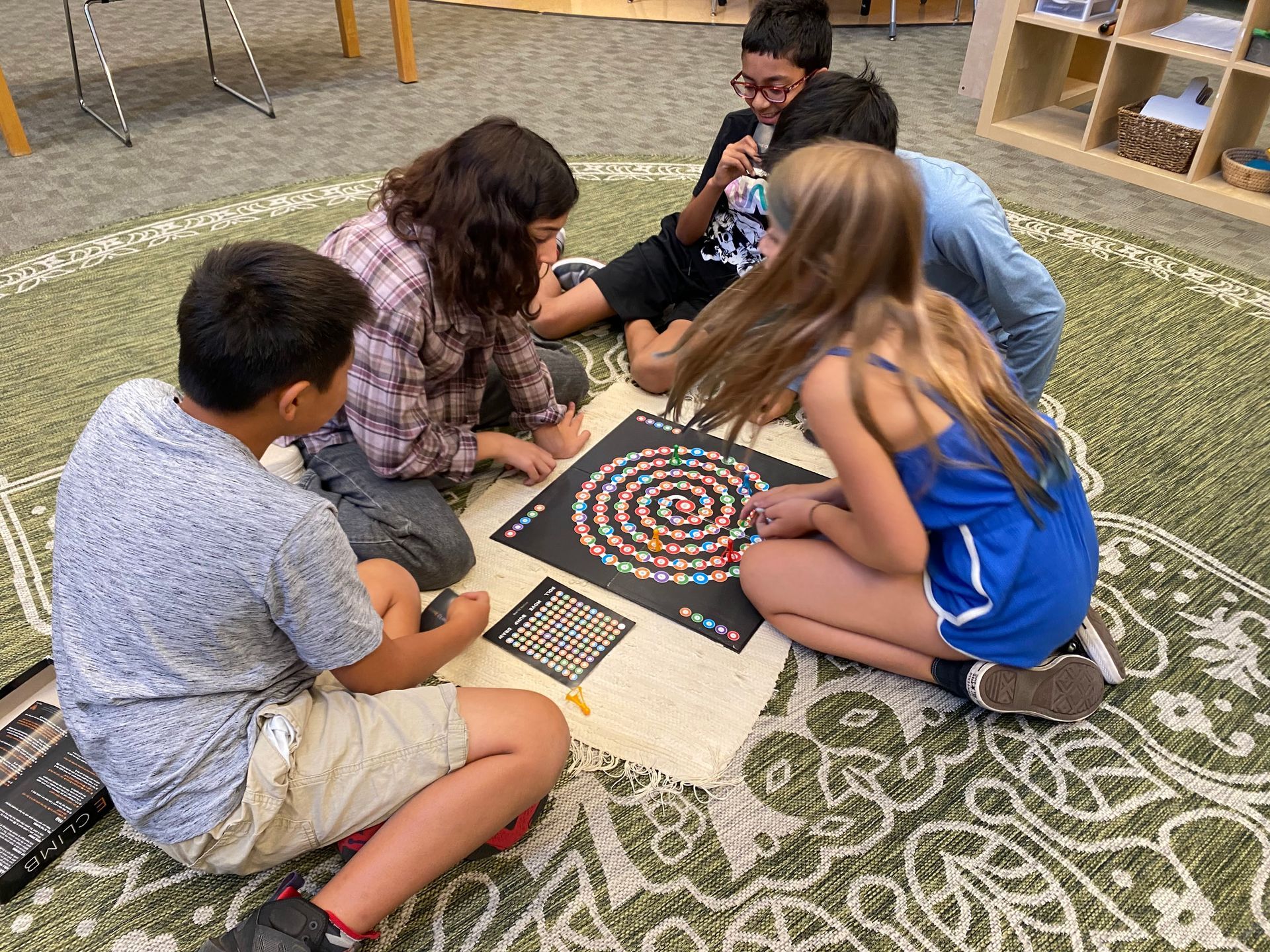
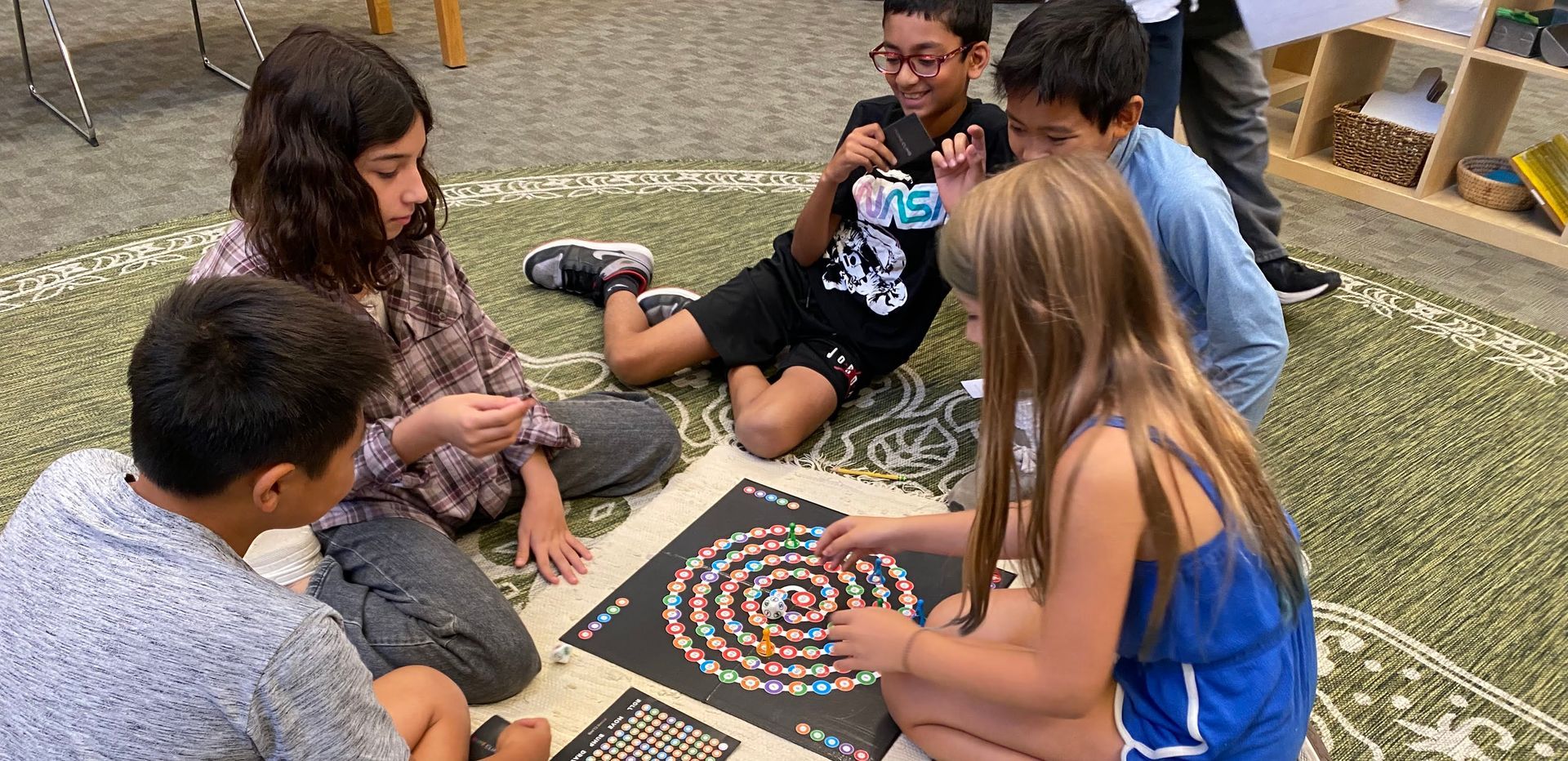
As children use their imaginations and look toward heroes, they are really thinking about how to actualize their own potential. Thus, they become very observant of others. They begin to recognize individual strengths and apply them to their own practice society, community, and family. Children invite each other to work based on their strengths and then they feel seen. In this process, children begin to recognize that the strength of the group is their own strength. Hero worship drives all kinds of prosocial development.
Thus, part of hero worship is stepping into leadership roles in the community and learning how to lead and how to follow. Our children experience the joy of belonging to the group and being part of something together. In this hero worship, we see the cultivation of cooperation and collaboration.
All Kinds of Heroes
Children of this age are also incredibly open to stories of history's great innovators and heroes. So we introduce a variety of heroes through books, songs, storytelling, and casual observations. Montessori children love to lean into research and want to explore the histories and stories of their heroes.
In this process, we emphasize how heroes are all around us! How can we show gratitude for those who deliver our mail or help us when we’ve gotten hurt?
As our children explore these heroes and fall in and out of admiration and emulation, it’s important to remember that while we can’t control our children’s choice of friends or heroes, we can offer lots of different options. In this process, we make sure to provide exposure to non-typical heroes, including unknown heroes.
In the various stories we tell in our Montessori curriculum, we often emphasize how we will never know who those first humans were who did all sorts of important things like picking up a burning branch after a lightning strike and figuring out how to save and use fire, creating a hole in a small bone and using it as a needle, discovering how to save seeds and plant them, or leaving cave paintings to share a message. As we explore early human history and children discover that there are so many unknown heroes, we always pause to offer some gratitude for those who discovered and created so much.
Elementary children look up to power, strength, and beauty, in whatever form that occurs, and this isn’t always in the form of a human hero. There were the first plants that began to cling to the land and adapt to life out of the water, the Carboniferous amphibians whose fins eventually became legs, tiny cells each with its own job so that the body runs smoothly, and leaves that work like food factories for plants.
Giving Thanks to All Kinds of Heroes
With our children’s tendency toward hero worship and their admiration for heroes of different kinds, we can also help our children understand what they value in a hero. Often our children recognize and respond to stories of people (and non-human entities!) who overcome hardship, endure loss, and sacrifice for others. We also draw their attention to the fact that one does not need to be important or famous to be a hero.
In this upcoming season of gratitude, let’s remember to celebrate many different kinds of heroes and offer our thanks for how they have contributed (or continue to contribute) in varied ways. We also thank you and hope you’ll schedule a time to observe East Bay Montessori's gratitude-filled classrooms in action! Click here to schedule your in-person tour today!