Our Montessori Bookshelf: Water Connects Us
Explore a curated list of children’s books about water, rivers, and
watersheds. These stories invite curiosity, care for the planet, and meaningful
reading at home.

Rivers are so important to our human story. They are sources of nourishment,
transportation, and connection. We see how children are naturally drawn to water,
and rivers offer a powerful way to understand ecology, interdependence, and our
place within the natural world.
With this in mind, we want to share some of our favorite books about water, rivers,
and watersheds. Through story and illustration, children can trace the journey of a
single drop of water, observe how land and water shape one another, and begin to
understand how human choices affect the health of our planet.
We’ve grouped the following collection of river and water-focused books by
developmental stage. Each title offers language, beauty, and meaningful context for
deeper exploration. Whether you are reading with a toddler, a younger elementary
child, or an emerging researcher, these books invite wonder, responsibility, and
reverence for one of Earth’s most essential elements.
For the Youngest
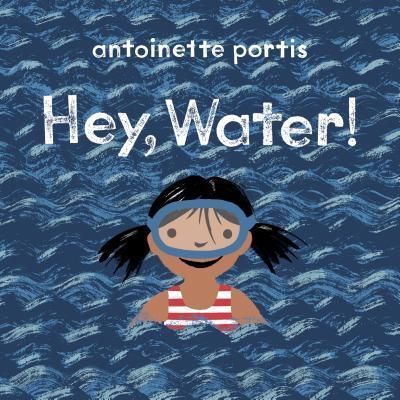
By Antoinette Portis
This picture book takes us on a journey of how water is part of our lives in so
many ways: from sprinkler spray to a teardrop trickling. The clean-lined illustrations
transition between bird’s-eye views and close-up images. This is a great transition
book for toddlers moving from pages with one word labeling a picture to a narrative
that connects to daily experience.
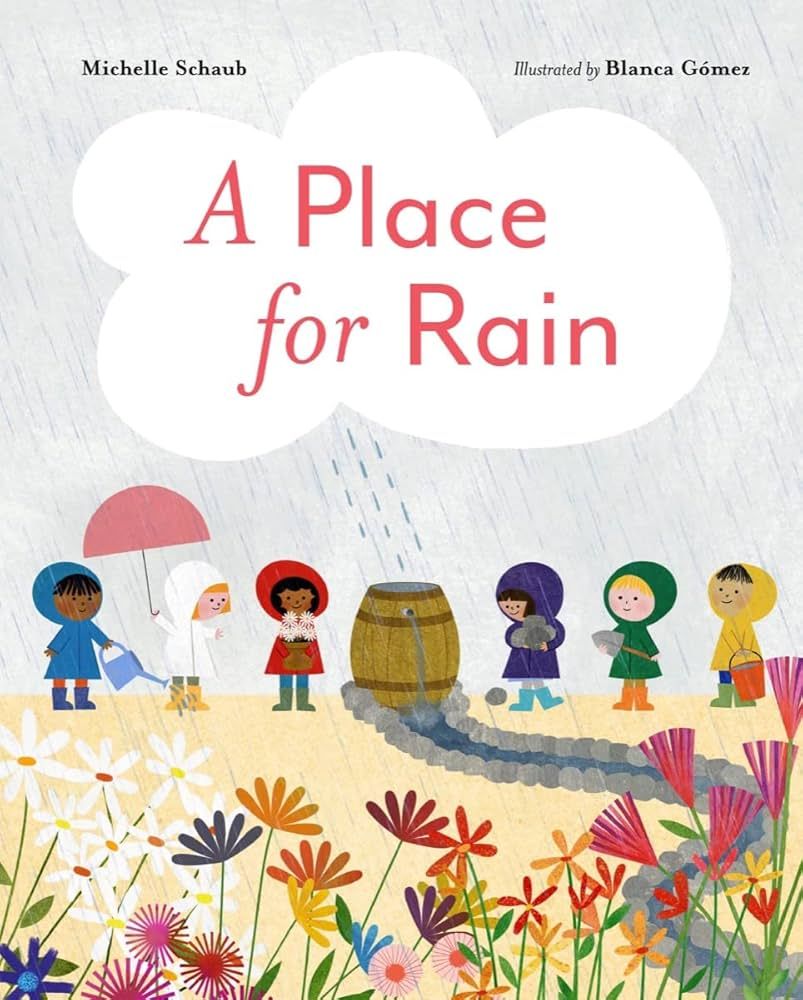
By Michelle Schaub, Illustrated by Blanca Gómez
A lovely introduction to the concept of rain gardens, this picture book follows a
simple story of children witnessing how rain runoff can be transformed from being
problematic into something stunning and special for everyone. The sweet, slightly
geometric illustrations highlight how even simple actions can have a big impact.
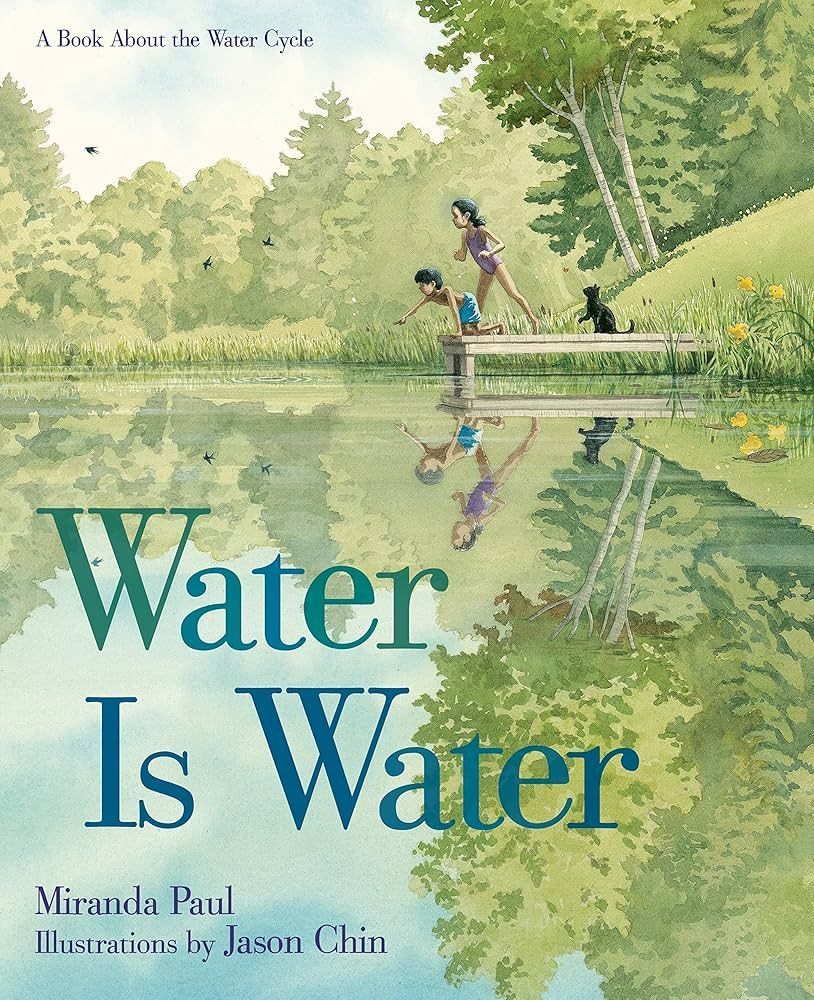
By Miranda Paul, Illustrated by Jason Chin
Although a picture book about the changing states of water, the lyrical text and
charming illustrations make this a delightful and fun-filled page-turner! It’s a great
way to introduce young children to the water cycle and the importance of water in
our lives.
Water Cycle: For Younger Elementary
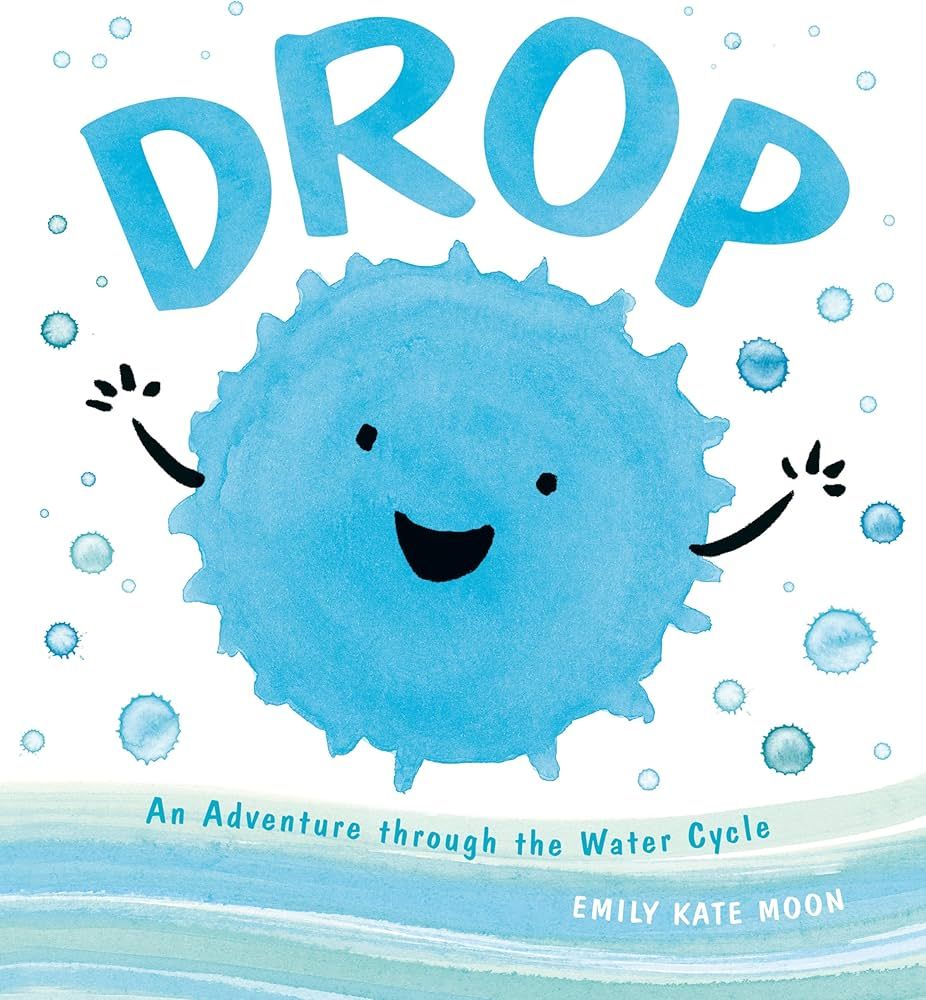
Drop: An Adventure through the Water Cycle
By Emily Kate Moon
Bridging between comic style and traditional picture book, the story follows the
character, Drop, as she travels through the water cycle. Delightful and engaging, this
is a great book for younger elementary children and can serve as an easy-to-access
resource for understanding the states of water.
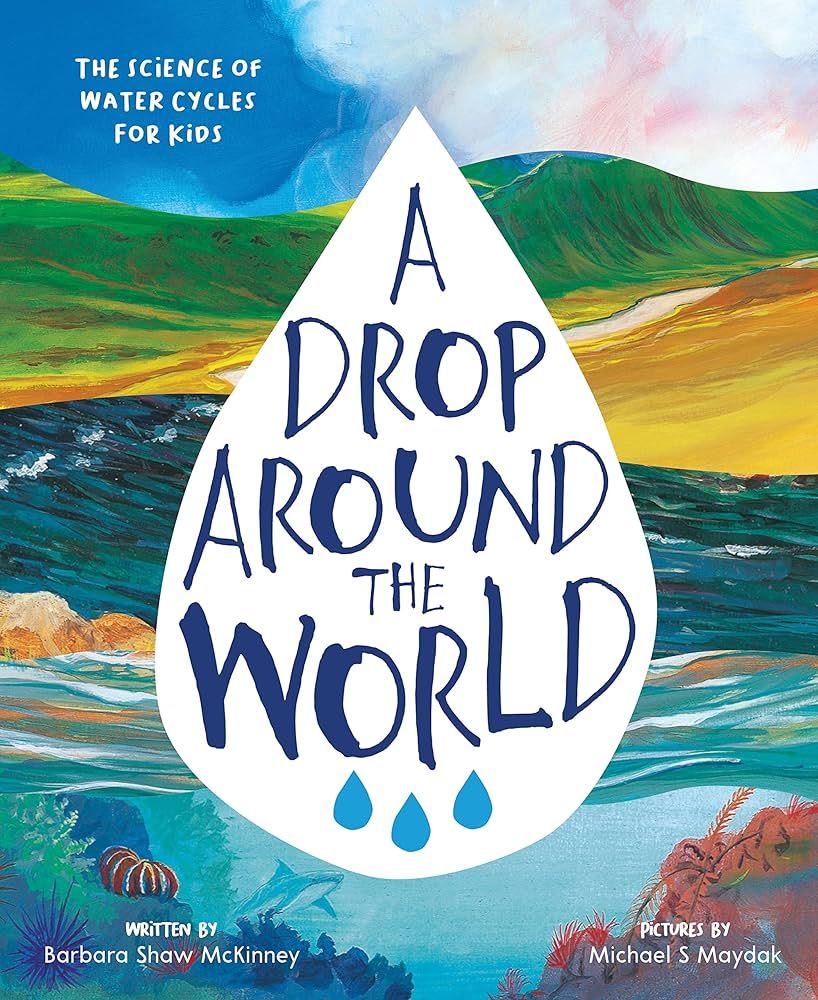
By Barbara Shaw McKinney, Illustrated by Michael S. Maydak
Written in rhyming verse, this story follows Drop from a cloud near Maine around the
world and back to Cape Cod Bay. A map inside the cover shows the journey, and
emoji-style images accompany the text, linking to more detailed descriptions of the
amazing science at each step along Drop’s path.
Watersheds: For Upper Elementary and Adolescents
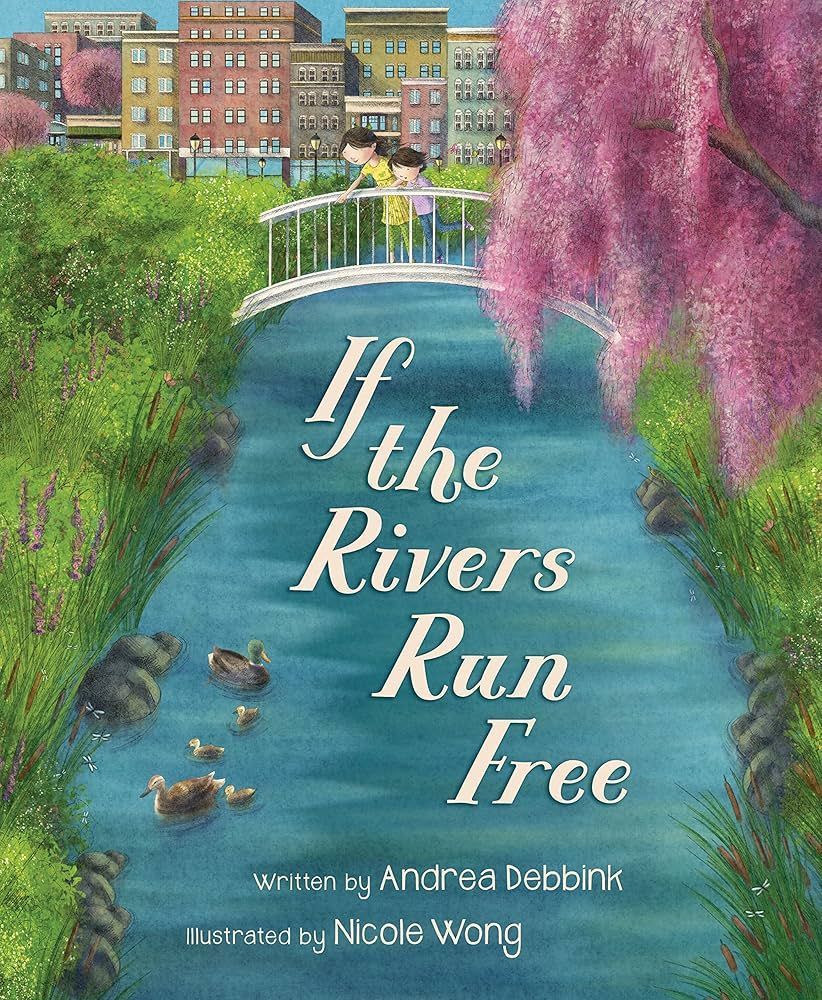
By Andrea Debunk, Illustrated by Nicole Wong
This captivating picture book takes readers through the human story of rivers’
importance in our lives, the mistakes we’ve made, and how we can make things
right and help rivers run free again. The rhythm of the text is accentuated by
moments of human realization, with bold statements that step out of the rhyming
pattern and gently jar us into a sense of action. The illustrations take readers on a
journey, too!
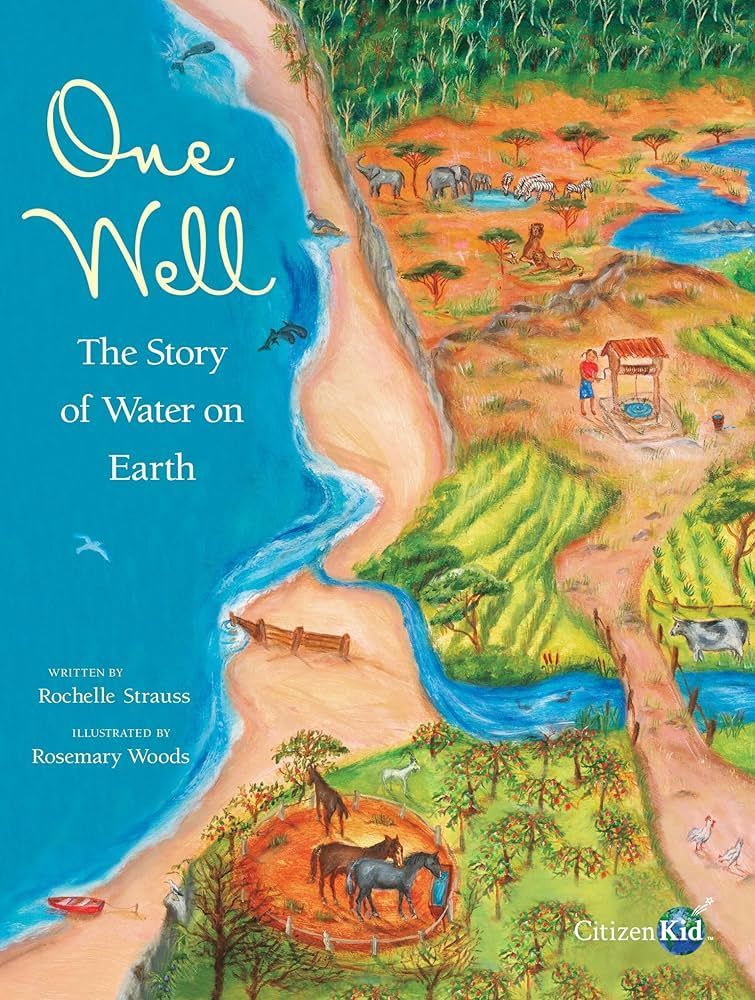
One Well: The Story of Water on Earth
By Rochelle Strauss, Illustrated by Rosemary Woods
Through its clear text and lush illustrations, One Well emphasizes the
interconnectedness of water on our planet. It offers an array of interesting
information that will appeal to children in elementary years, both through narrative
text and short snippets overlaid on the images that fill each page. The fact that this
picture book has an index is an indicator of how just how much its 32 pages
contains!
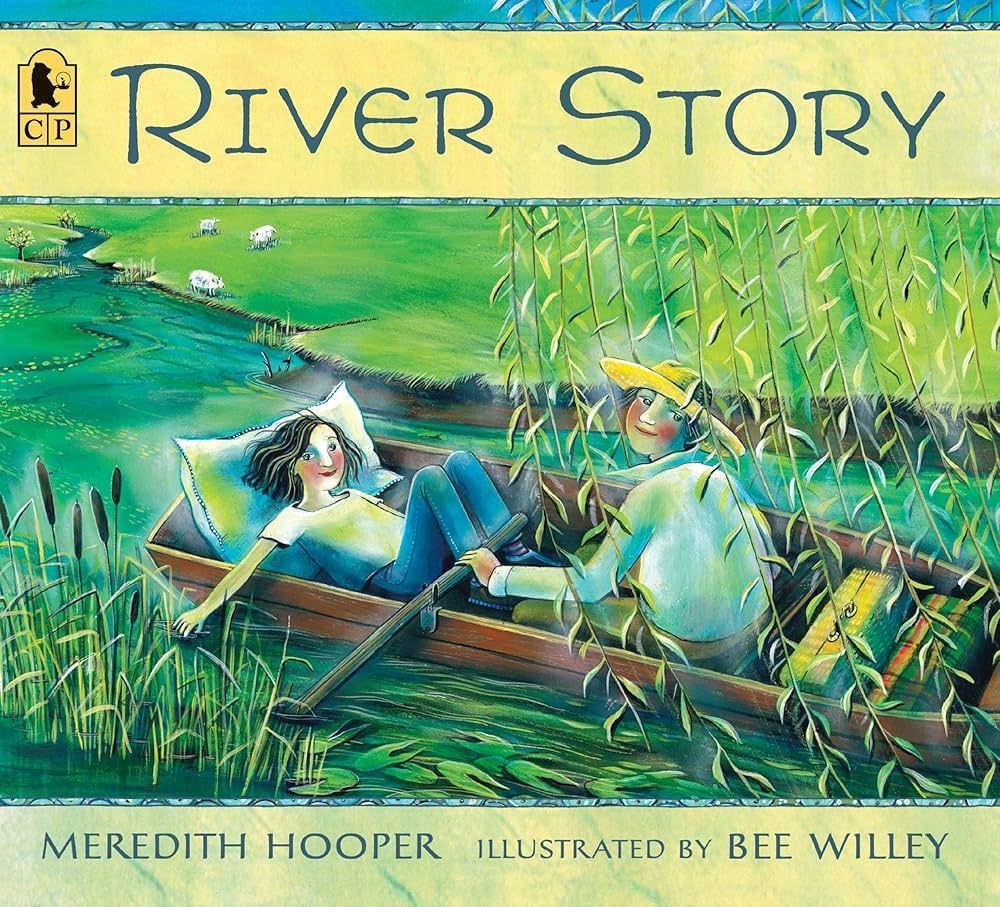
By Meredith Hooper, Illustrated by Bee Willey
Rich in realistic content yet engaging and accessible, this lushly illustrated picture
book takes readers on a journey from the source of the river to where it empties into
the sea.
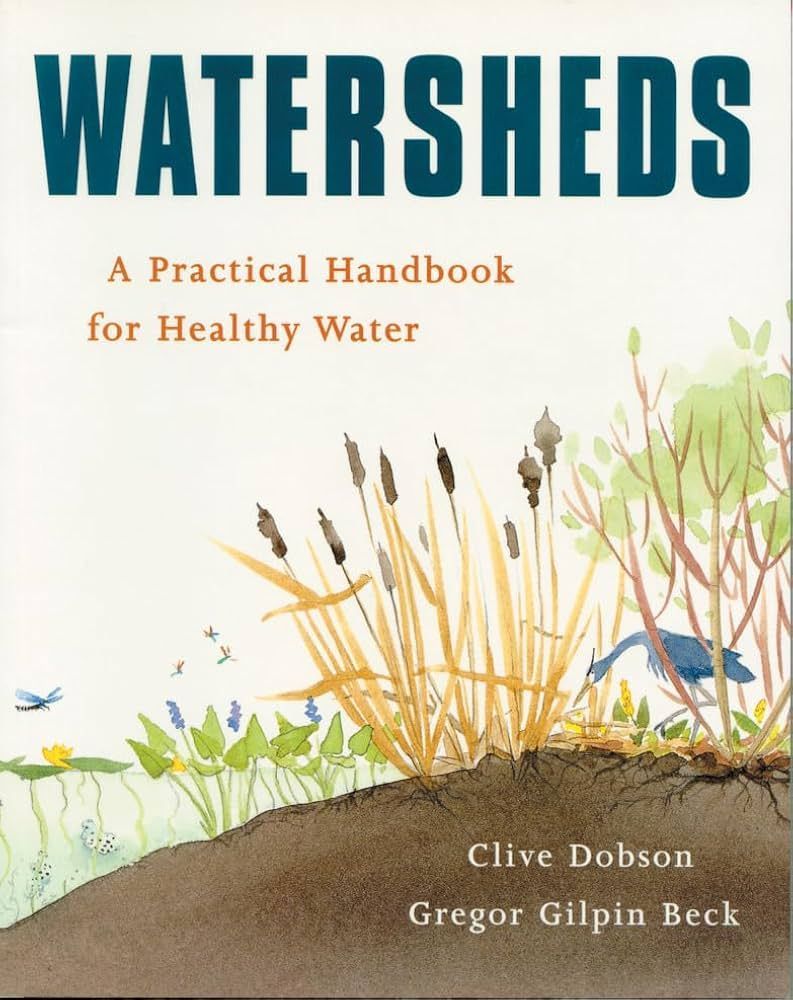
Watersheds: A Practical Handbook for Healthy Water
By Gregor Gilpin Beck, Illustrations by Clive Dobson
Best for older readers, this book offers helpful and non-technical information about
watershed concepts and environmental concerns. This is an excellent resource for
older elementary or younger adolescents engaged in ecology research. The
illustrations are beautiful, too!