Five Classroom Jobs to Bring Home This Summer

July 8, 2026

Providing "real work" for your child during the break
Written by EBM's Upper Elementary Teacher, Emily Howard


As a Montessori teacher, I have never fed a class pet or washed a child’s dirty dish. These feats of restraint, which I do to build my students’ independence, are infinitely harder to achieve at home, with my personal children. I have fed a lot of their pets, and we won’t even talk about dishes.


This summer, my job (and yours, should you choose to accept it!) is to build a structure in which kids maintain the environment. Not only will this free me to do larger house projects, as well as my own creative practice, but they will be happier and more confident humans! (You can see I’m talking myself into it, right?)


To that end, here are five classroom jobs I am incorporating into my kids’ summer routines to offer them the kind of independence they cultivate during the school year. This is how I’m strategizing to change the patterns that keep my kids out of ownership of our home’s functioning. I’d love to hear your stories and what you’re trying!

  1. Botanist: Watering plants is a preferred job at my house, but that doesn’t mean it gets done. I know the most important classroom plant is the Peace Lily, because it wilts dramatically when it is insufficiently watered, which happens at least once every couple of weeks. I’m taking a cutting home because currently my personal children are letting all the succulents we planted last summer die.
  2. Laundry Manager: Why do I do so much laundry, even though both of my children are totally capable? If this was a daily job at home, the way it is at school, I think it would work better, so we are looking at making it a daily routine for summer.
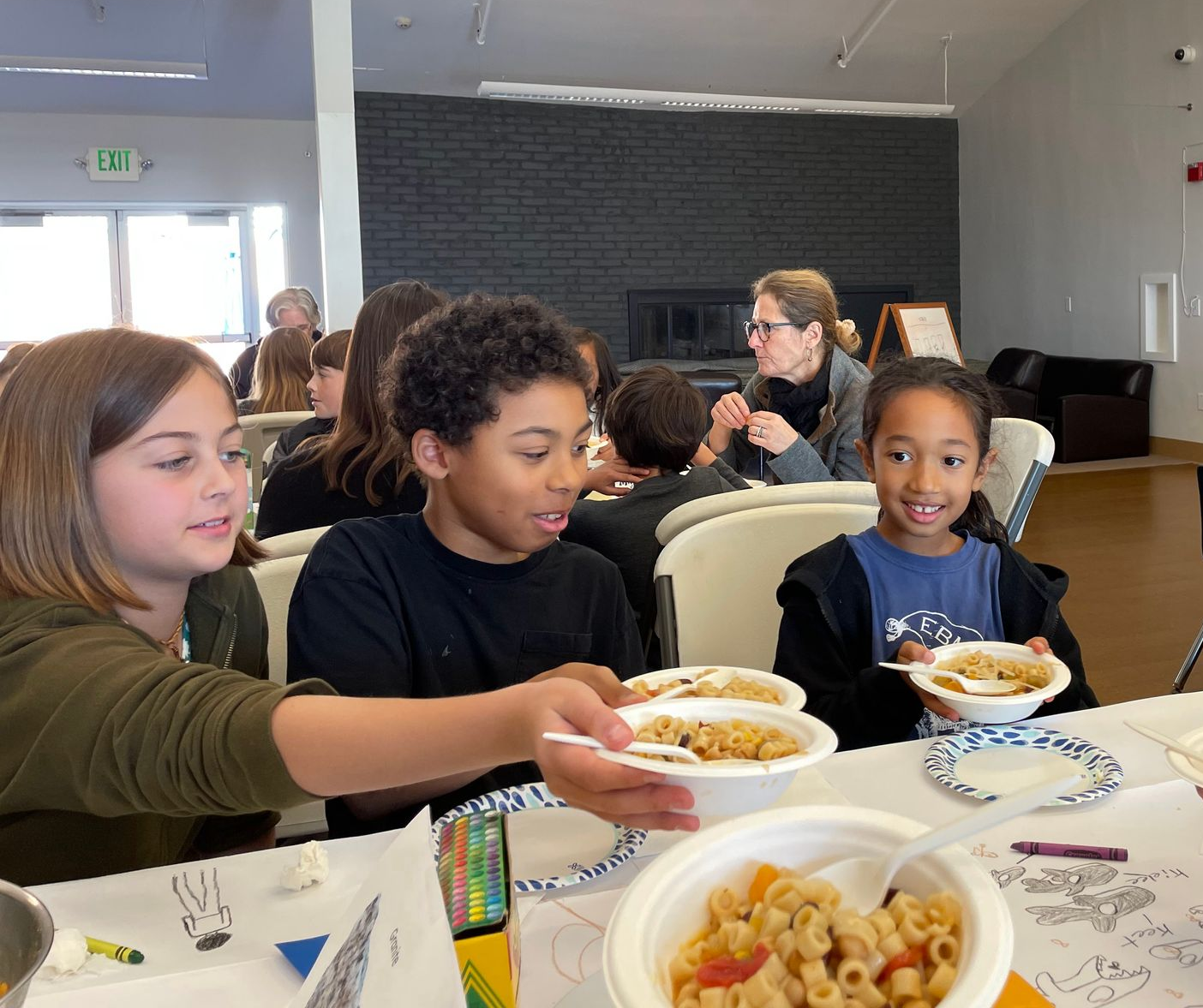
  3. Snack Preparer: Why is so much time lost to constantly making food for kids in the summer? I must reject the constant requests! So, I am making daily snack prep a kid job this year.
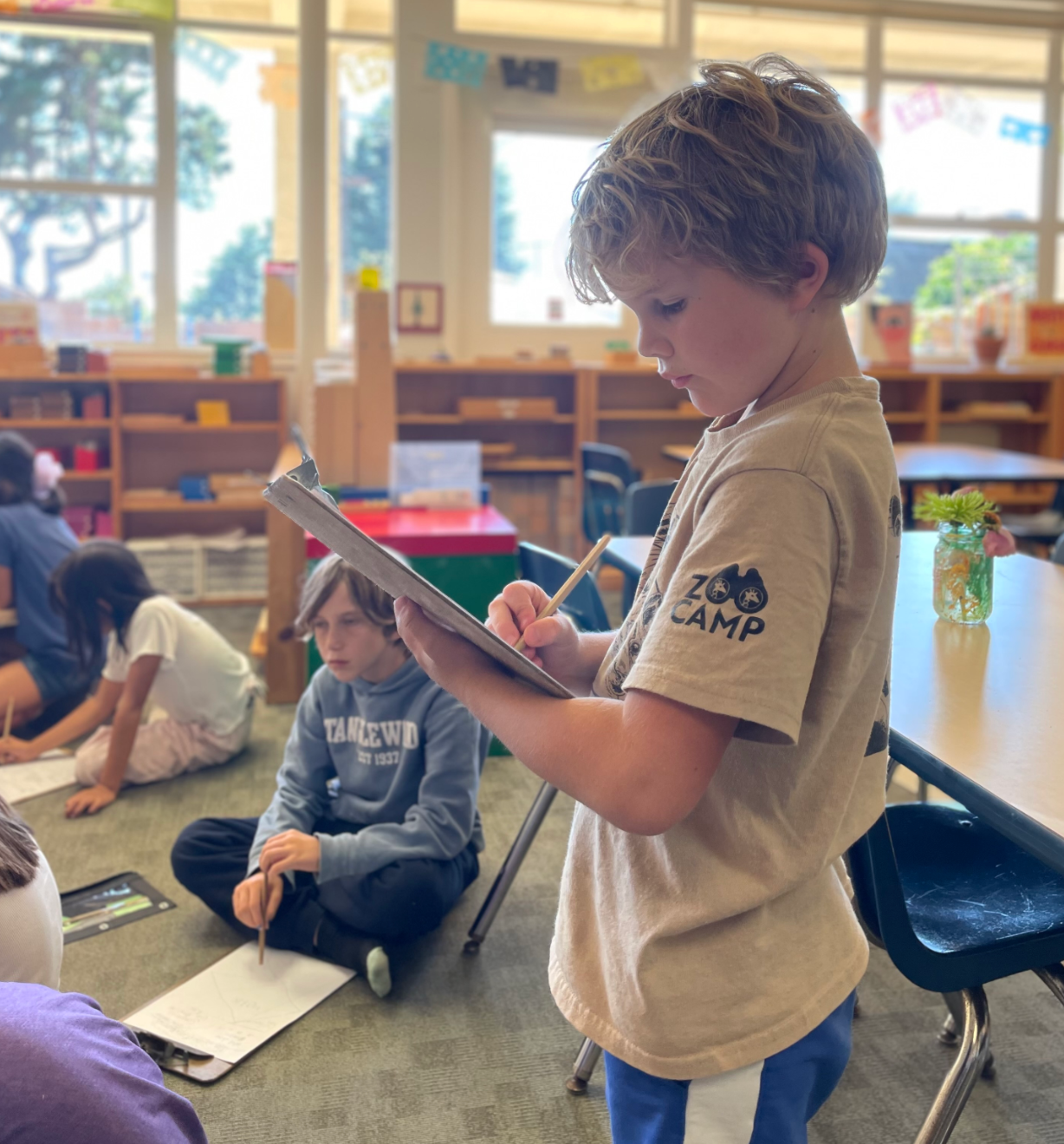
  4. Secretary: In our house, when we have family meetings, I control them way too much. Having a child always be the notetaker is my attempt at ceding the power to them. I have my students to thank for the inspiration on this one – I tried to notetake recently in the classroom because I was trying to make a meeting more efficient and the student secretary very politely told me to hand over the pen.
  5. Host: Few things stun a guest more in a Montessori classroom than a child delivering a full tea service for their visit. The kids also love this job. At home, when people stay with us, my personal kids love to make a little bouquet for the bedside table. I am capitalising on this energy and implementing a plan where they make the bed first and set out the towels before going hunting for flowers in the garden.


What jobs do your kids need to make your summer more enjoyable and satisfying?

June 29, 2026
A simple, two-step action plan to keep your kids’ brains turned on this summer
June 22, 2026
Written by EBM's Upper Elementary Teacher, Emily Howard In the spring of 2020, parenting became more full-time than any of us could have fathomed. To keep from implosion and/or explosion, my partner and I decided we had to take a break from the hardest parenting task of the day: bedtime. Once a week, each of us left the house at bedtime and the other would put both children to bed. This was initially a challenge, with weeks of kid resistance and bedtime drama, but one person missed it each time and returned home with more capacity to parent the upcoming long day. In the pandemic, the house-leaving parent did the only available activities: went for a walk or a hike. Six years later, with older kids and a longstanding routine, we each leave the house a few nights a week, still mostly hiking or going to the gym in the winter, but sometimes having tea or dessert with a friend or just wandering, alone our thoughts. The parent who is home with both children also has special opportunities that can only come with that kind of dedicated time – there is no question who is “on point” and we don’t end up both half-engaged with the kids and never fully present. Two nights a week we do one-on-one bedtimes, so I have a night dedicated to my older child, who likes to go to the gym, and I get all the middle school gossip when we are on the elliptical side-by-side, and a night dedicated to my younger child, who likes a board game, a card game, or as much read aloud as possible. The intricate schedule of who is with one or both kids each night and who goes elsewhere is a steady force in our lives that makes space for both deeper connection and a regular opportunity to have time to myself. This one decision, initially made out of desperation, and continued because of its effectiveness, has strengthened our family both by letting parents have time to be humans and by giving us more intentional connection time with our children. I look forward to my solo evening hikes or alone time reading at a local cafe, but I also look forward to playing with my younger kid or working out with my older child. I have received gratitude from many friends who have heard about our success and moved to a similar plan as well – please report back if you try it!
June 15, 2026
Simple games that make learning feel like anything but homework
By Aleigha Lindstrom May 20, 2026
Montessori education nurtures children's deepest human needs — from exploration and meaningful work to belonging and personal growth. 
By Aleigha Lindstrom April 13, 2026
You’ve likely picked up your elementary-aged child from school and heard all about who said what to whom at lunch, and not a single word about reading or math. This social focus is the heart of their world. This is one of the most fascinating (and occasionally challenging) realities of the elementary years. The Montessori classroom is designed to give children freedom of movement and the ability to choose their own work. But during the elementary years, children are also intensely wired for social connection. Holding both of these things at once is the real art of Montessori at this level. 
By Aleigha Lindstrom March 26, 2026
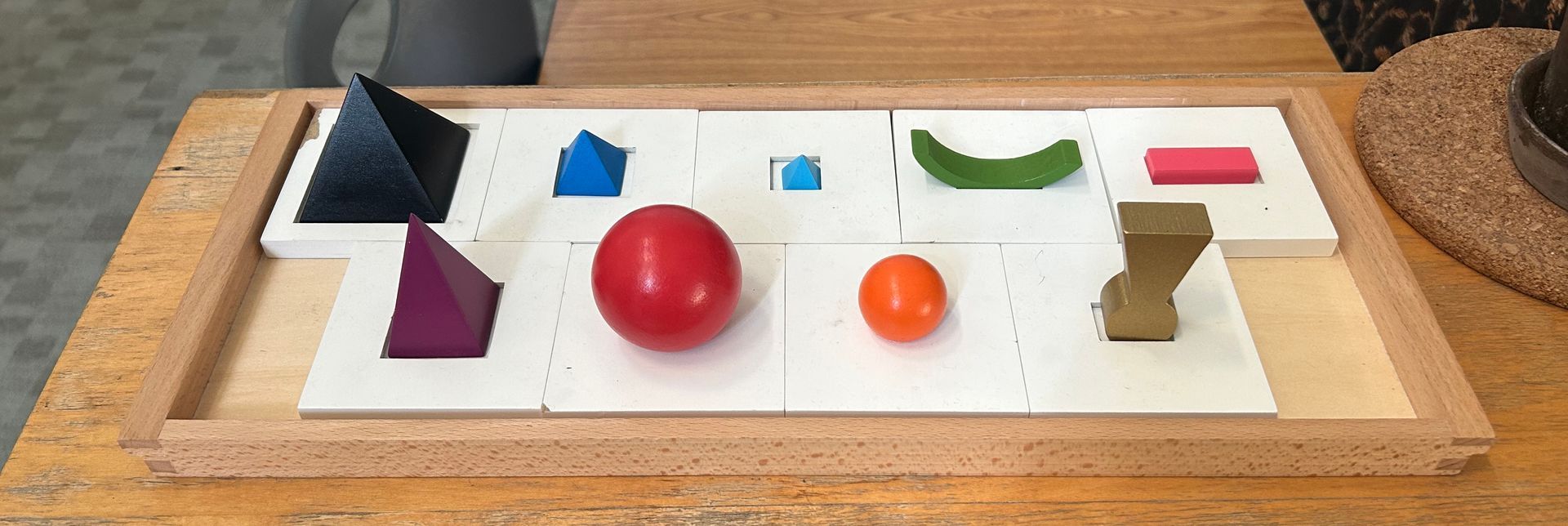
Montessori grammar symbols help children see how language works.
By Aleigha Lindstrom March 10, 2026
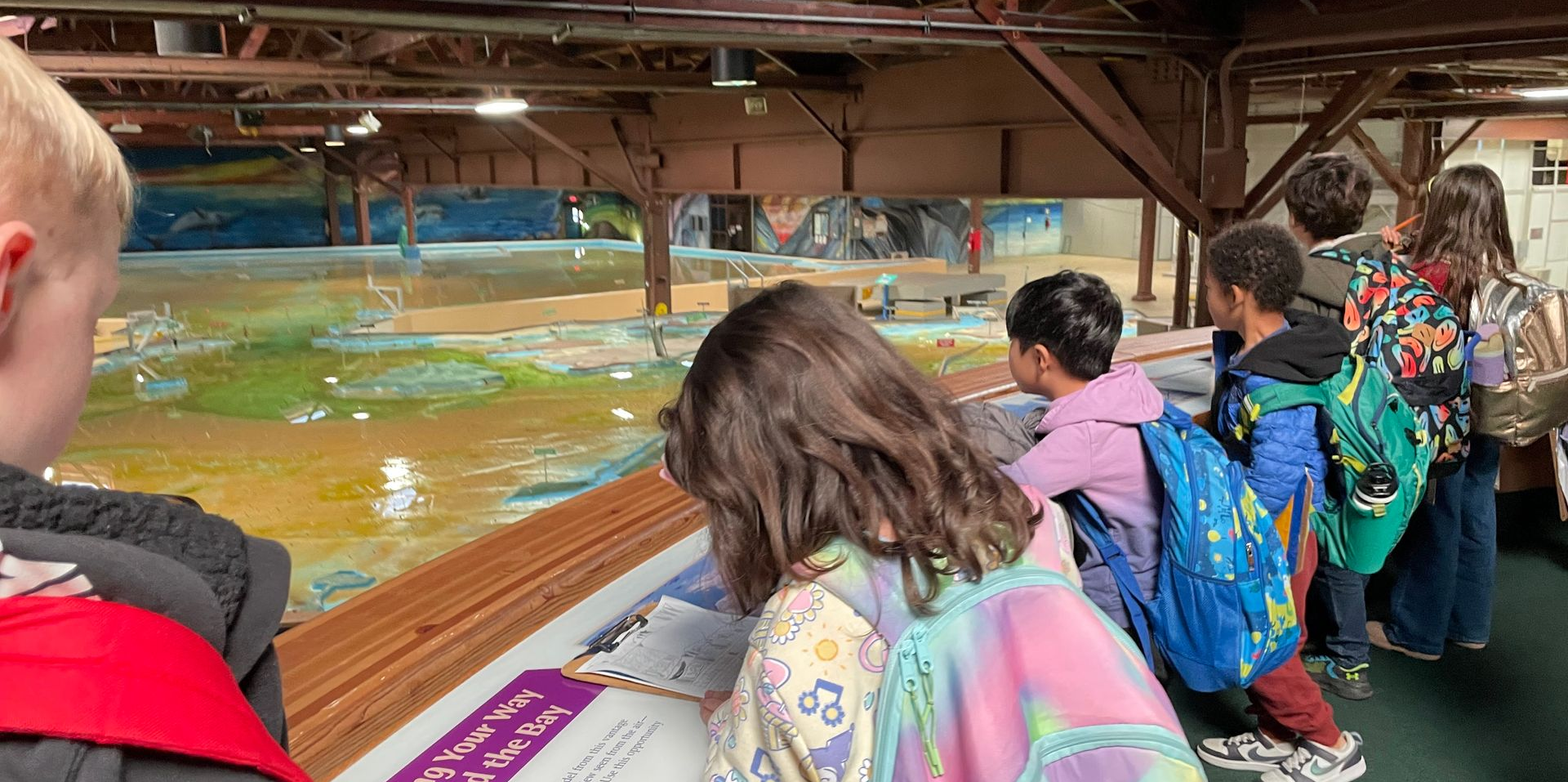
Explore a curated list of children’s books about water, rivers, and watersheds. These stories invite curiosity, care for the planet, and meaningful reading at home.
By Rachel Kleinman January 6, 2026
A Montessori approach to understanding disrespect: why children use strong words, how adults can stay calm, and ways to protect connection over conflict.
By Rachel Kleinman December 9, 2025
Find calm and connection this holiday season with Montessori-inspired tips for balancing routines, flexibility, and joyful family traditions.
By Rachel Kleinman November 14, 2025
Discover how Montessori nurtures persistence, choice, and independence in children; building grit, willpower, and lifelong decision-making skills.
Show More