Freedom with Responsibility: Why Your Elementary Child's Social Nature Is Both the Greatest Challenge and the Greatest Gift
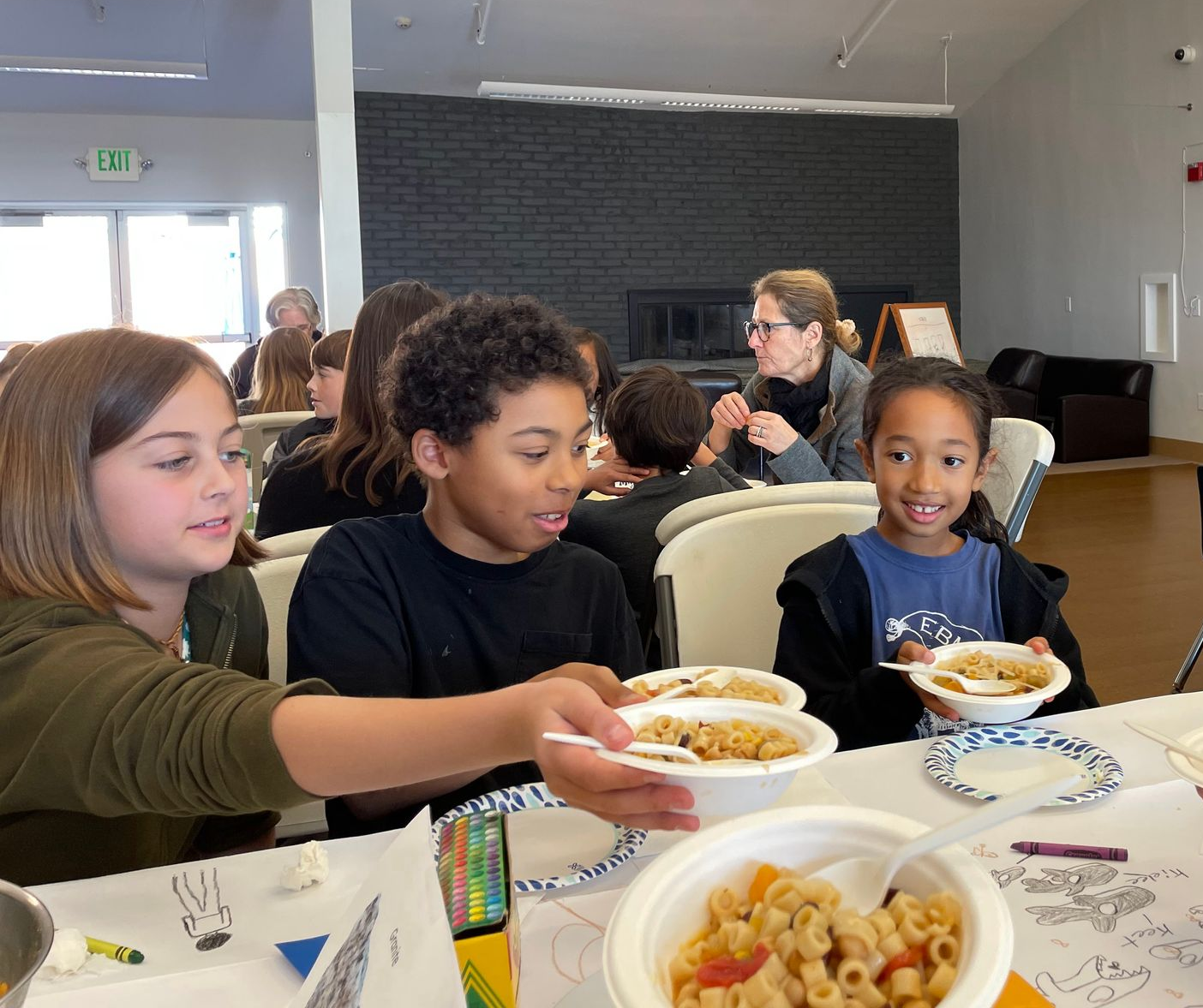
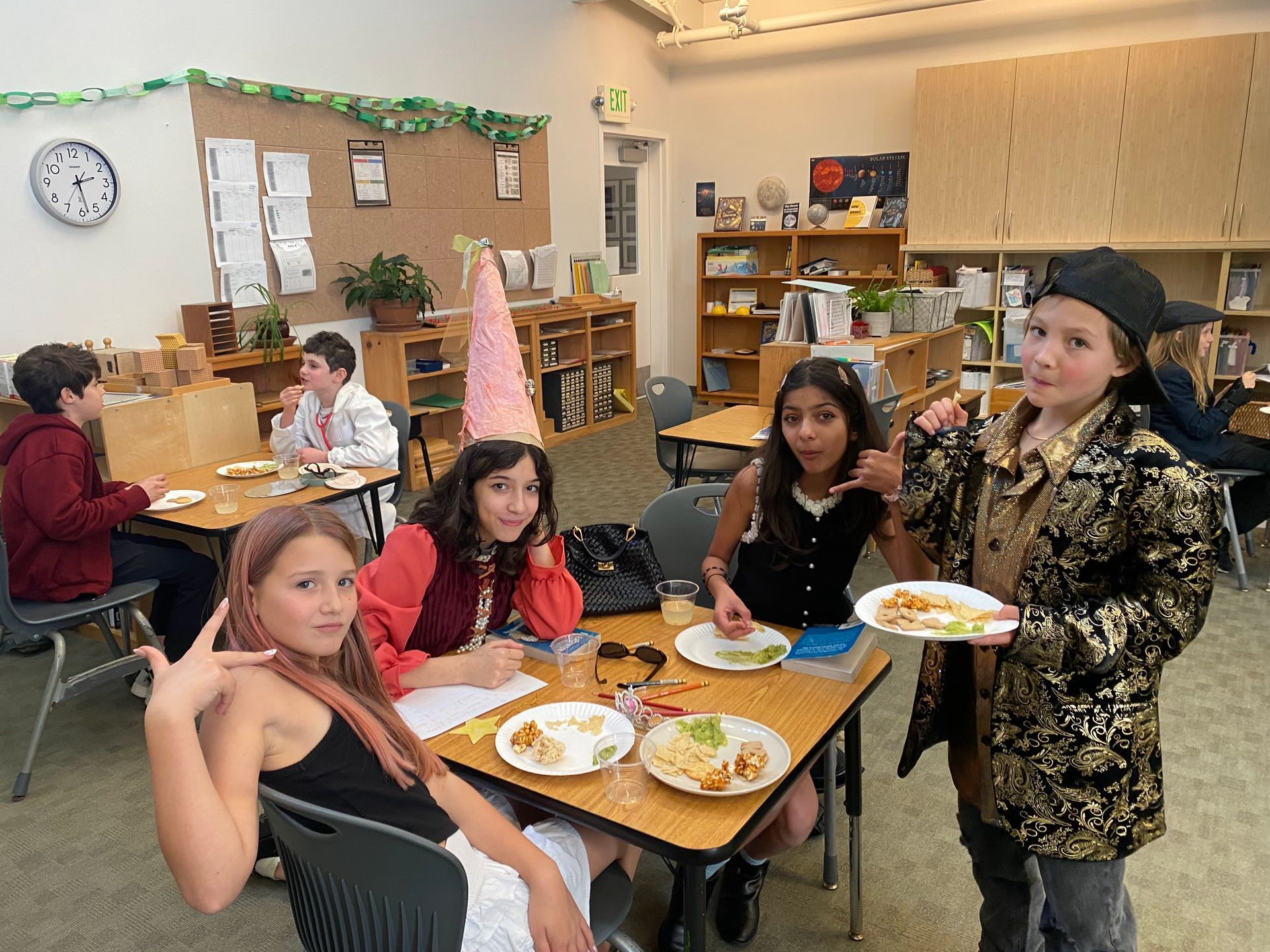
You’ve likely picked up your elementary-aged child from school and heard all about who said what to whom at lunch, and not a single word about reading or math. This social focus is the heart of their world.
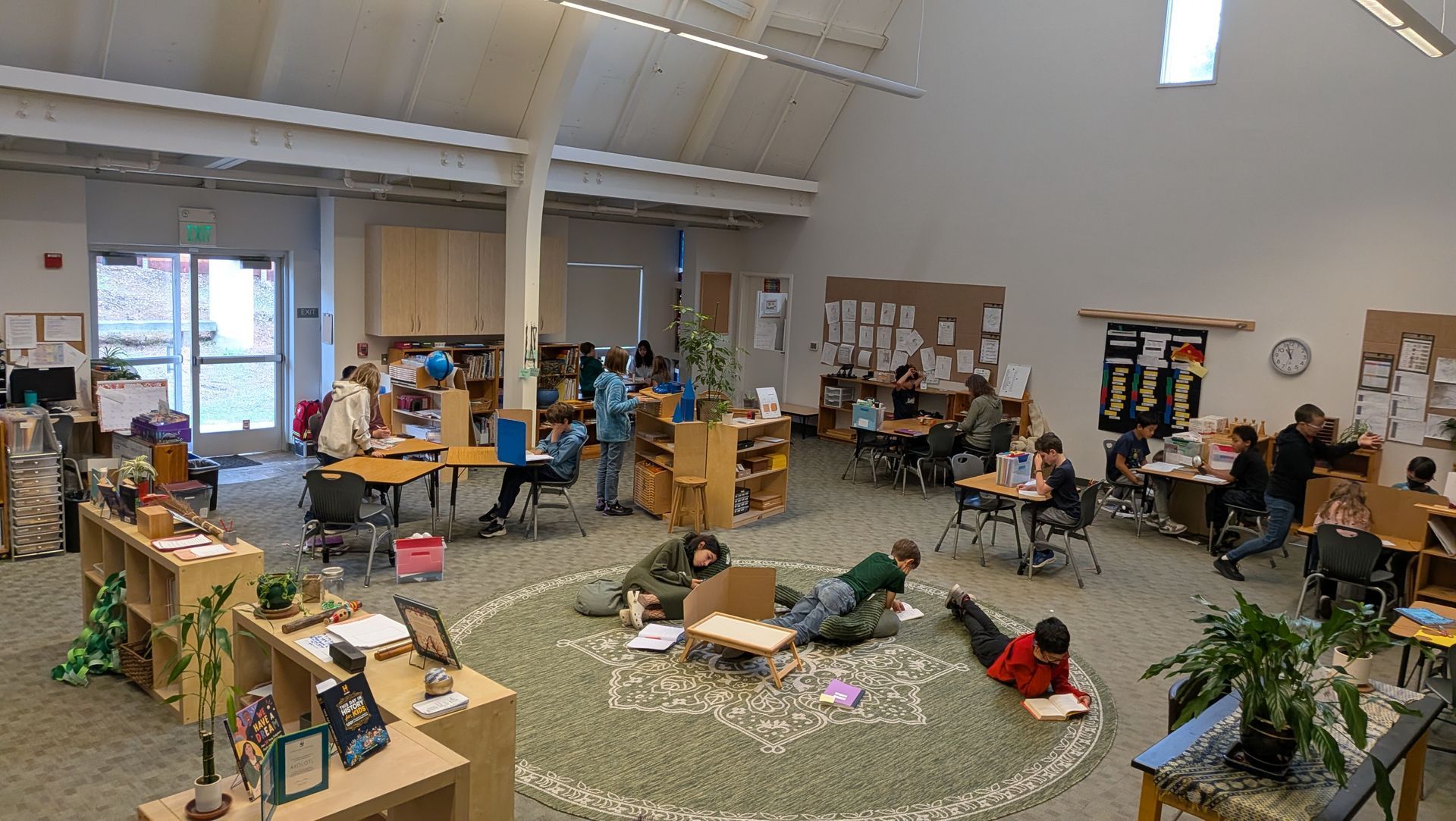
This is one of the most fascinating (and occasionally challenging) realities of the elementary years. The Montessori classroom is designed to give children freedom of movement and the ability to choose their own work. But during the elementary years, children are also intensely wired for social connection. Holding both of these things at once is the real art of Montessori at this level.
Why Social Life Takes Center Stage
Dr. Maria Montessori observed that elementary-aged children enter a new plane of development, one where the need to understand the social world becomes as urgent as any academic task. They're forming friendships, testing loyalties, developing a sense of fairness, and figuring out who they are in relation to others.
In a traditional classroom, teachers often manage this by keeping children at individual desks in rows, essentially limiting social contact as a form of control. In Montessori we take the opposite approach. Rather than suppressing children’s social impulses, we give children real freedom of movement and trust that, through this freedom and within clear limits, children will learn genuine self-regulation.
The key phrase there is liberty of movement. This is not liberty from expectations! The freedom is real, and so are the boundaries. Over time, children learn to navigate both.
What This Looks Like in Practice
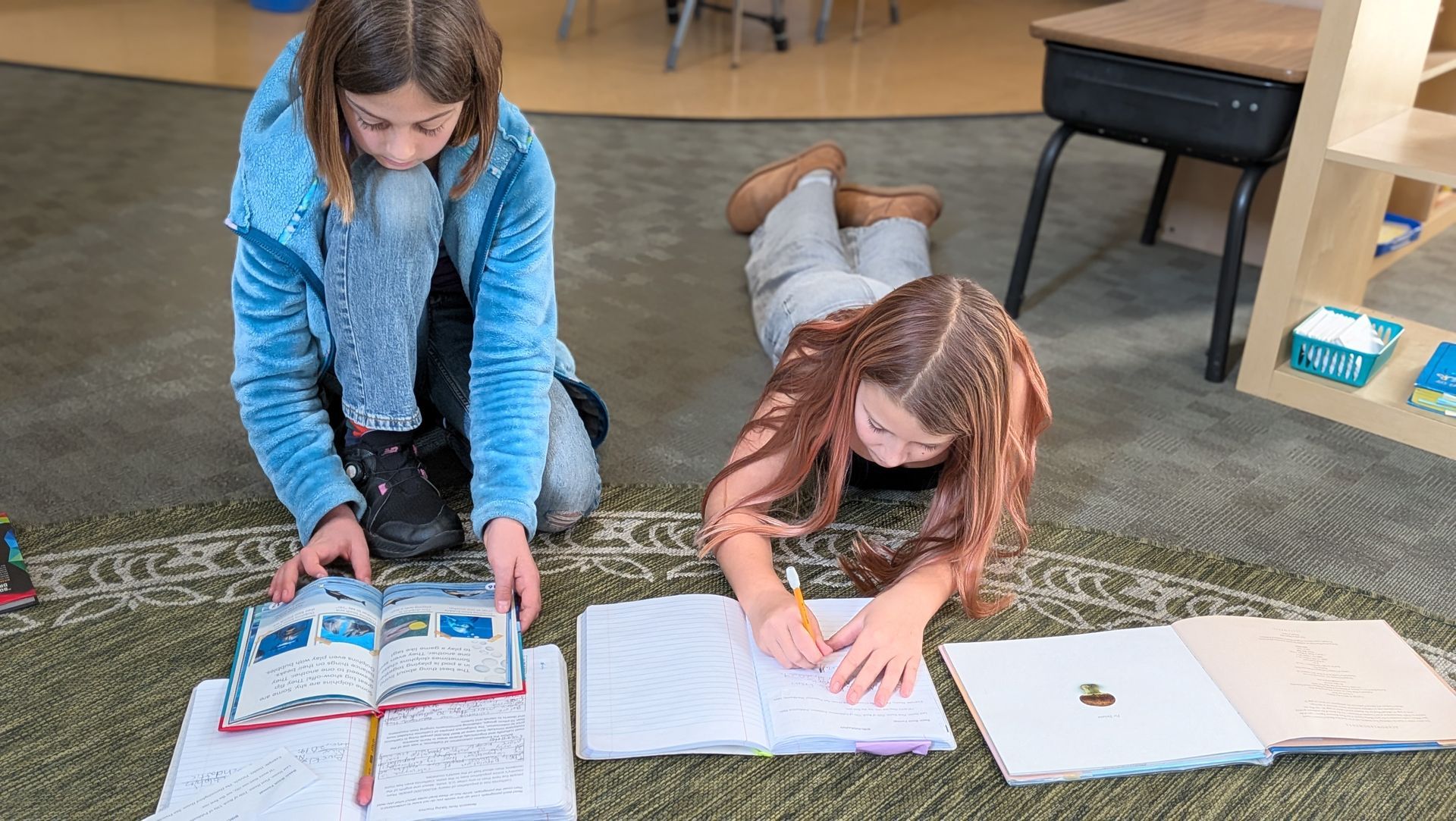
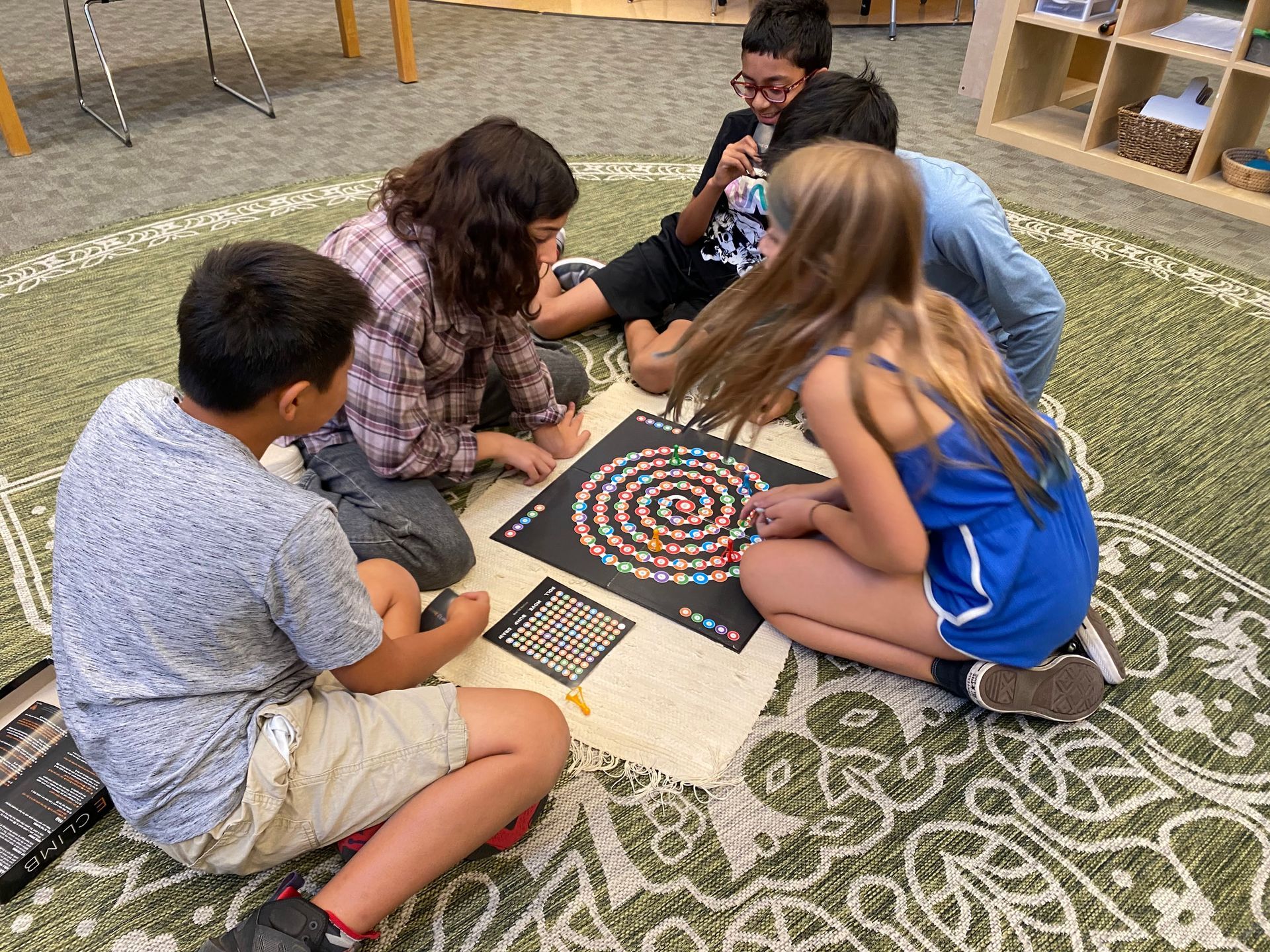
An observer visiting a thriving Montessori elementary classroom will see children working in pairs and small groups, moving between materials, and having conversations. Some of those conversations are about their work. Some are about the latest movie. And this is where the balancing act comes in.
It’s natural to have some ebb and flow as we’re working. As professional adults, we can recognize times we need to get up and stretch or chat. In the classroom, we also want to honor that children will cycle through periods of intense focus and recalibration or rest. Because Montessori elementary guides are careful observers, we pay attention to the big picture and the details. Are the group of children at the large table able to enjoy some conversation and then shift back into their work? Or are they getting caught up in constant distractions? Is there a social need that isn't getting met? Is the work engaging enough to really capture the children’s imagination?
We are gathering information and then adjusting as needed. Sometimes, elementary children just need a gentle reminder. Other times, they need more lesson presentations. Occasionally, they need the time and space to just form and test new social bonds.
Their Strong Sense of Justice
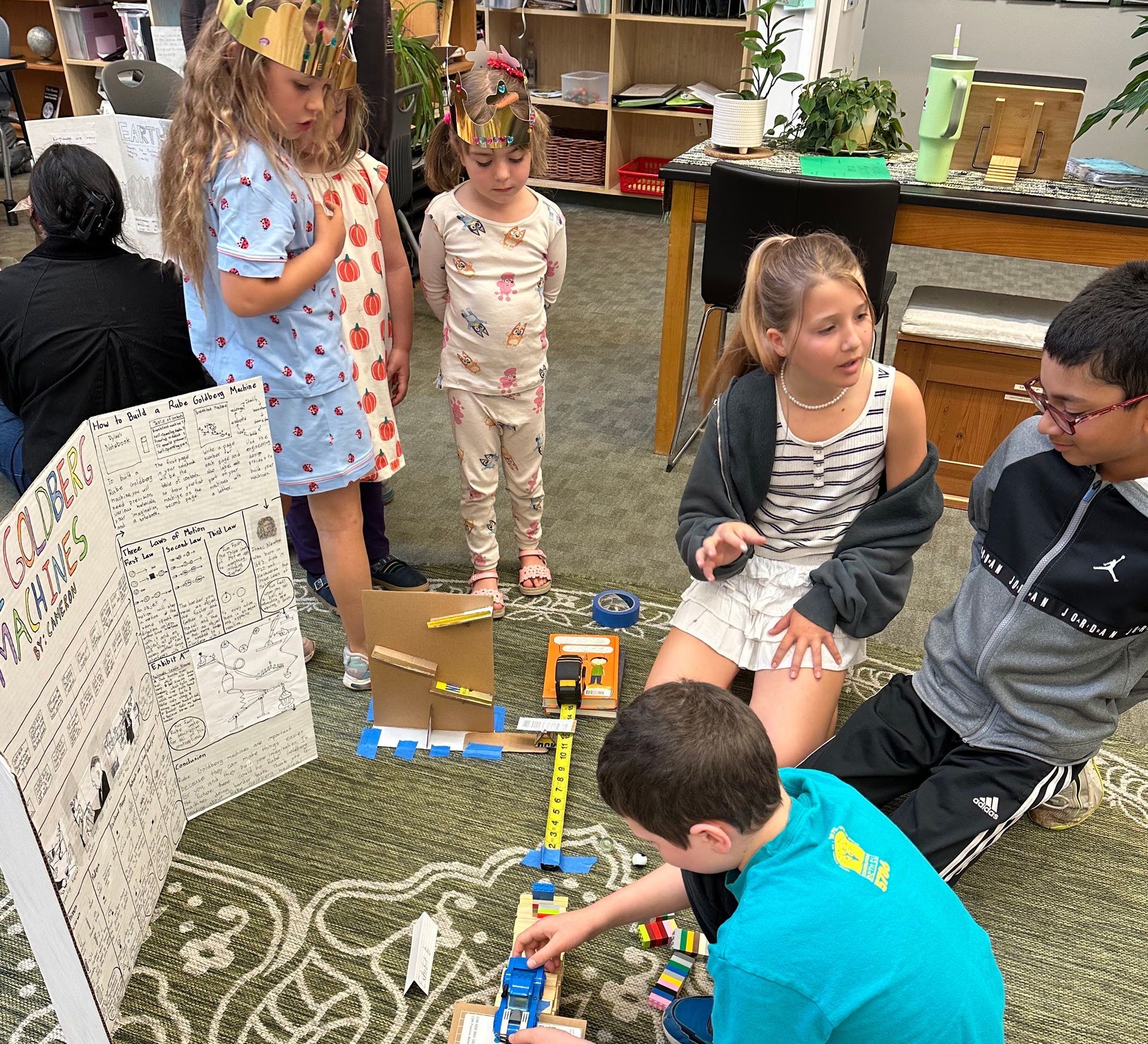
Elementary children want to be with others, and they want things to be fair. Dr. Montessori noted that during this stage of development, children develop a particularly keen moral sensibility. They're watching for injustice, quick to notice when rules are applied unevenly, and deeply bothered by dishonesty or unfairness.
This is beautiful and important, and it can also tip into tattling, conflict, and hurt feelings if there aren't supportive structures in place. This is where Grace and Courtesy lessons become essential. Rather than simply telling children how to behave, Montessori teachers guide students through acting out social scenarios together: What does it look like when someone is left out? How do you join a work group gracefully? What do you do when someone says something unkind?
Research supports this approach. When children practice specific behaviors and observe those behaviors modeled by peers, they're far more likely to internalize them than if they'd simply been told a rule.
The Gift of Mixed Ages
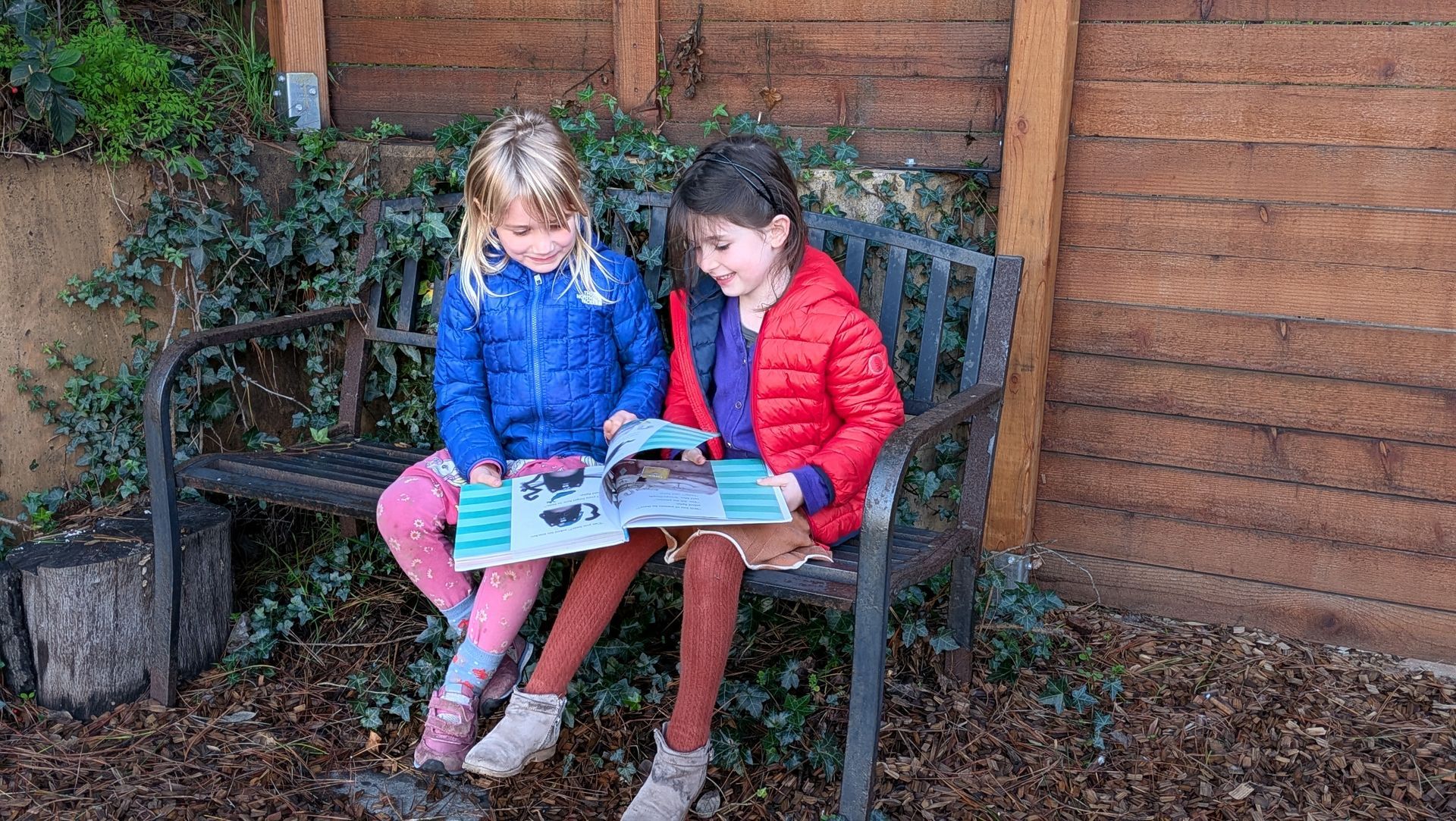
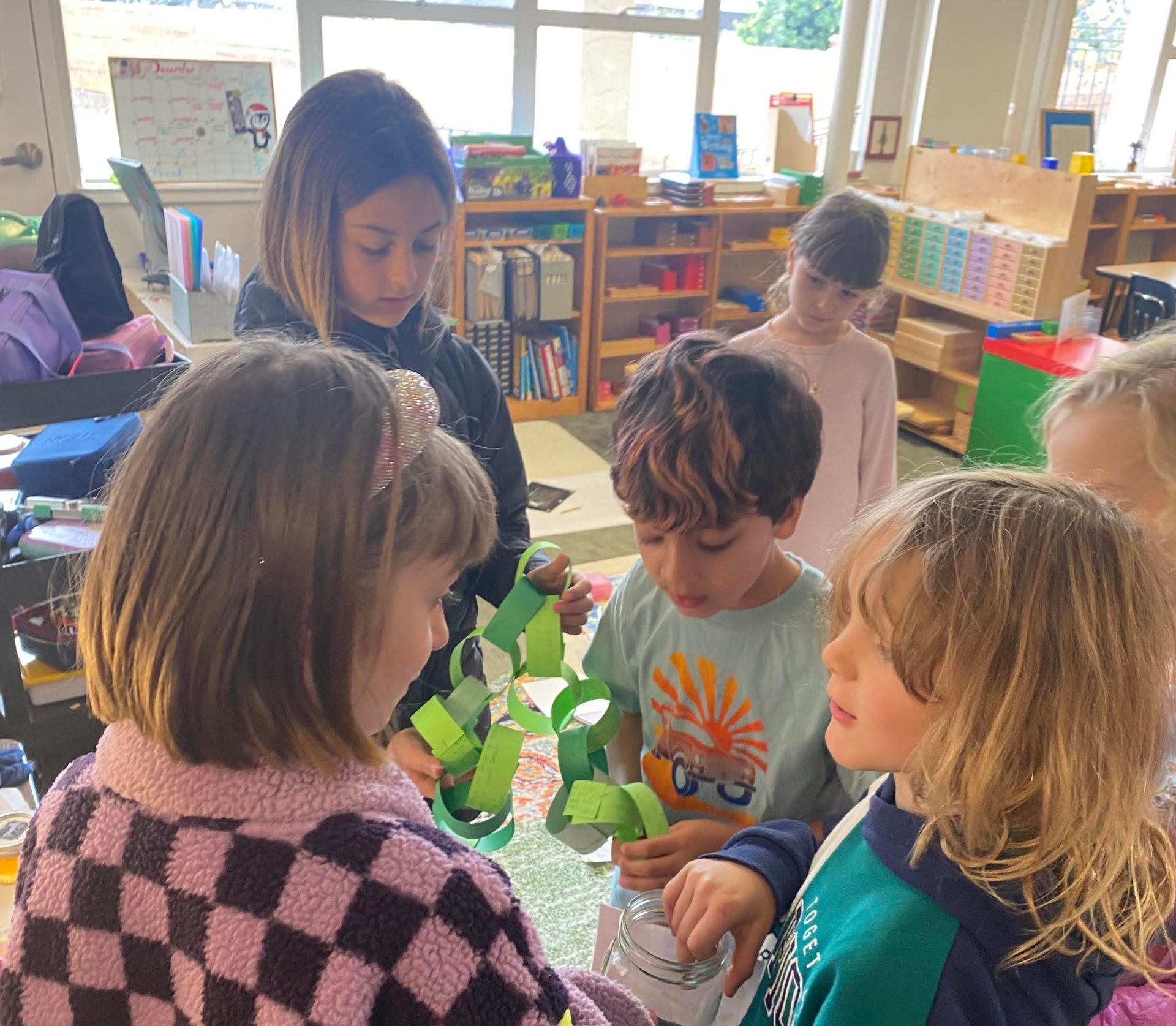
One of the most powerful tools Montessori uses to manage this social energy is the mixed-age classroom. In mixed-age groups, older children are naturally positioned as guides and examples. A 10-year-old who has learned how to disagree respectfully becomes a living lesson for a 7-year-old still figuring that out. The most powerful social learning doesn't happen through adult instruction. Children learn best by watching peers just a little further ahead on the same path.
What We Can Do at Home
Understanding this aspect of our child's development can shift how we see some of their behavior. The endless processing of social dynamics at the dinner table? That's their developing moral intelligence at work. The strong reaction to a perceived unfairness (at school, in a game, with a sibling)? That's a conscience being formed.
We can support this by taking their social concerns seriously, helping them practice specific responses to difficult social situations (not just telling them what to do, but role-playing it), and creating space at home for both focused, independent work and rich social conversation.
💬
TRY THIS AT HOME
When a social conflict comes up, instead of giving your child the answer, try asking:
"What do you think would be fair? What could you say next time?" This mirrors the
Montessori approach of helping children develop their own moral reasoning rather
than simply following rules.
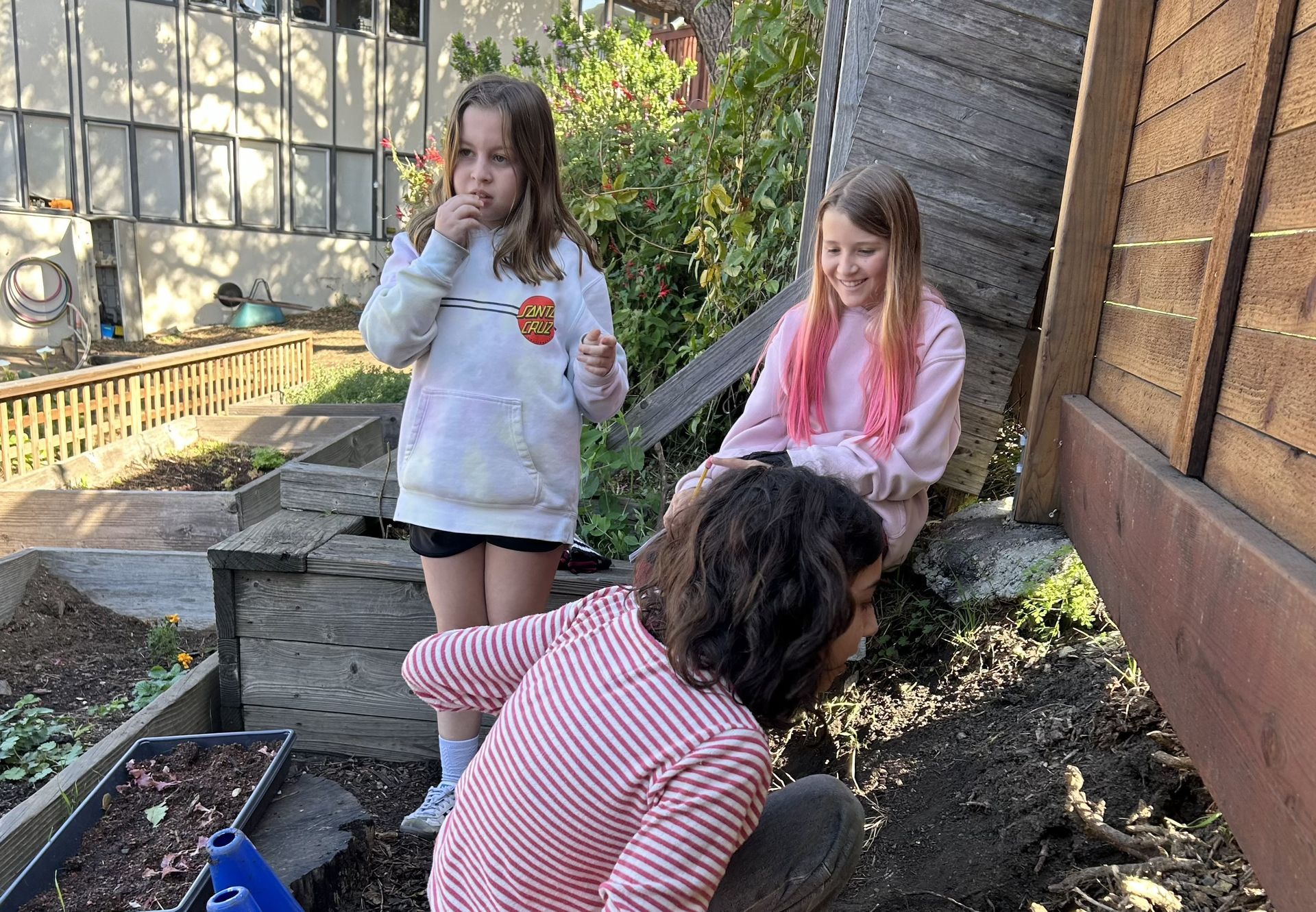
The Montessori elementary years can look a little chaotic from the outside: children moving, talking, negotiating. But underneath that movement are children building exactly what they need: the capacity to work alongside others, resolve conflict, understand fairness, and take responsibility for their own choices. These aren’t distractions from education. In the elementary years, the development of these skills is at the heart of education.
And of course, if you have any questions or would like some advice by people who work with humans this age every day, please reach out to schedule a meeting with your child's teacher! Montessorians are careful observers and have many years of experience working with those in their age group. We would be more than happy to share insights and connect with you about how you're feeling.