Why Intrinsic Motivation Matters
Intrinsic motivation is a key element to the Montessori environment
Think of a time when you did an activity because you wanted to do it–maybe weeding your garden, reading a book, taking a walk, or rearranging your bedroom. Your motivations arose entirely from within you. You likely felt pure joy or satisfaction in the very act of what you were doing. In these activities, you may have also felt a sense of meaning or purpose. Or maybe you felt like you were accomplishing something positive. This is the experience of intrinsic motivation. Stated another way, intrinsic motivation is when we engage in a behavior because it is personally rewarding rather than for an external reward or to avoid punishment.
Now contrast that experience with when you feel like have to do something. When you are motivated by extrinsic factors, rather than those from within, the experience is different.
Why Intrinsic Motivation Matters
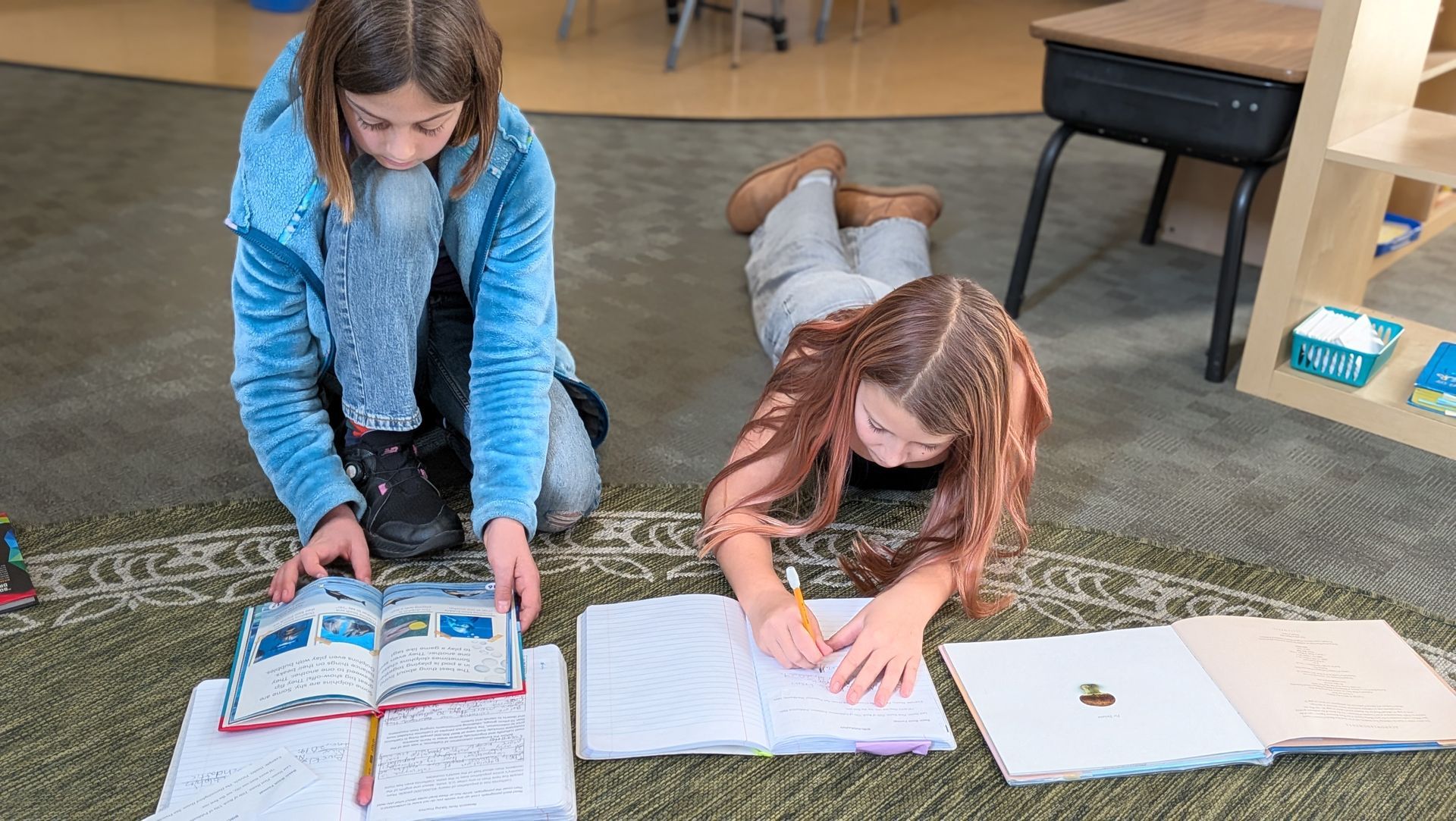
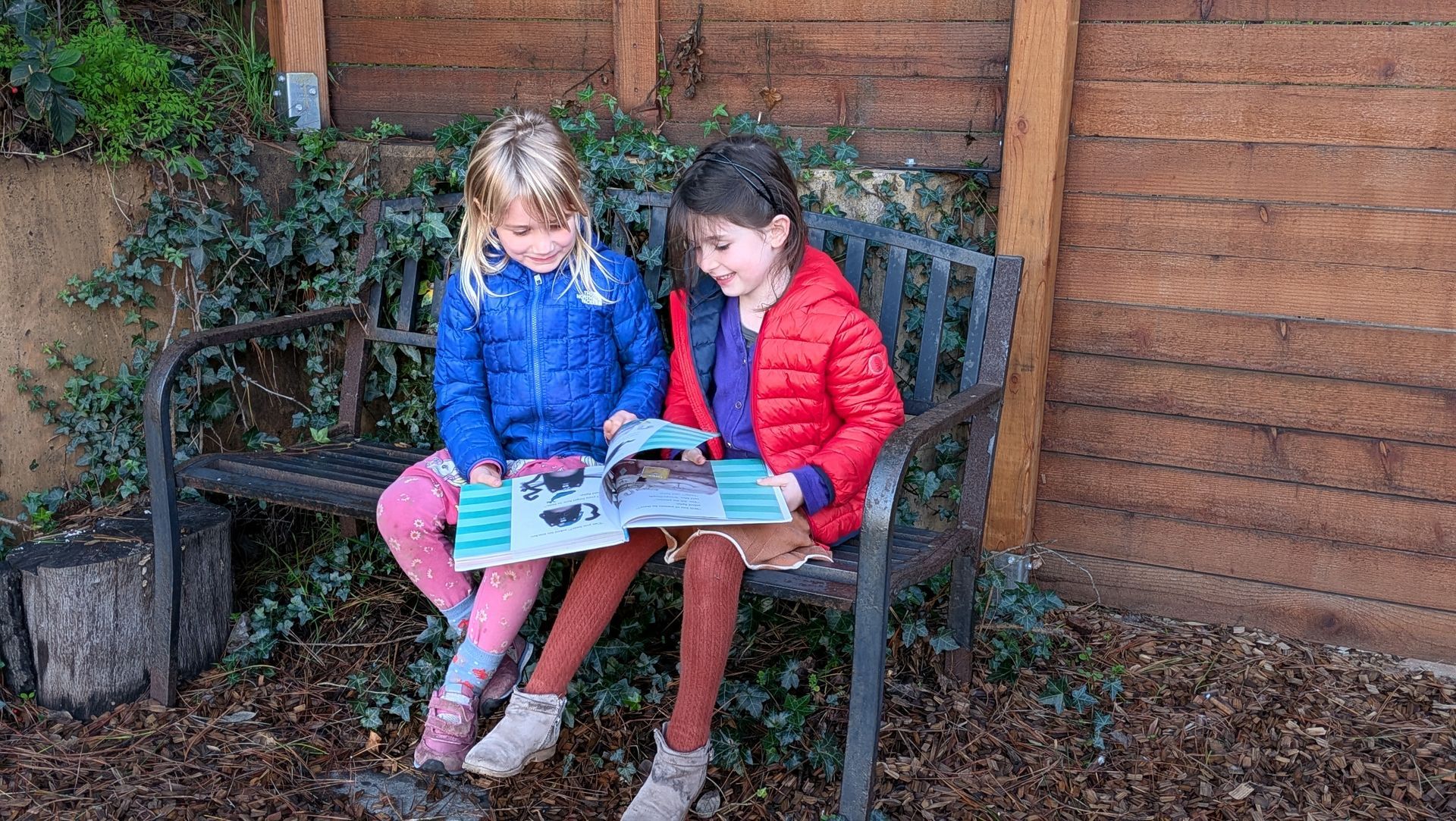
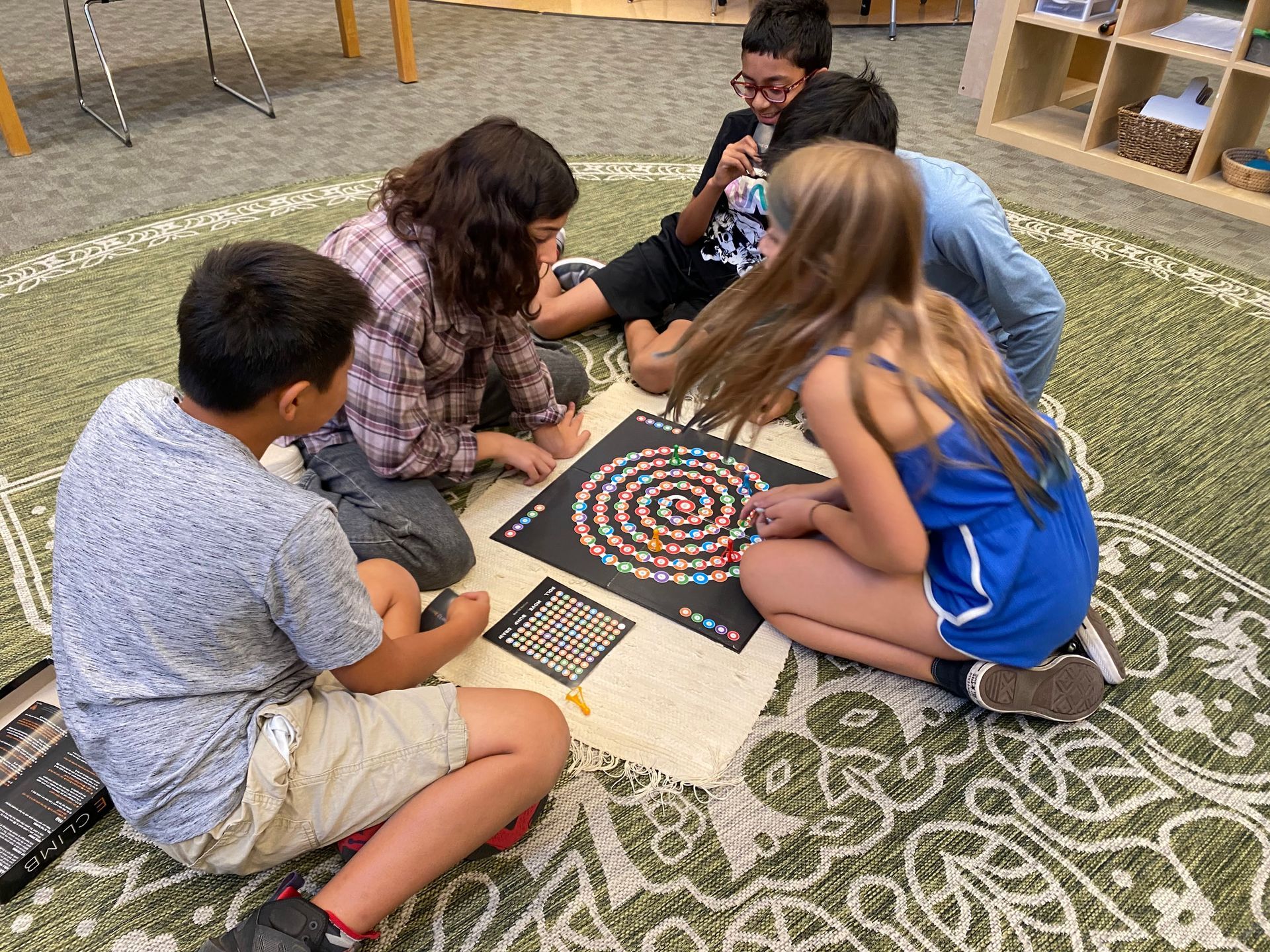
In Montessori, we work to help children develop their intrinsic motivation.
There are three main elements of intrinsic motivation: being able to act independently, feeling that one’s efforts matter, and developing satisfaction from the experience of mastery. We want our children to have these three experiences as they move through learning and life. When we are intrinsically motivated, we think and act with a sense of our growth potential and how we can have a positive impact on the world.
In Montessori environments, rather than handing out punishments and rewards, we encourage children to find and connect to internal motivations. In doing so, children develop a sense of autonomy, purpose, and mastery, all skills that contribute to high emotional intelligence.
In addition, intrinsic motivation is connected to having a growth mindset. When children have a growth mindset, they understand that they can learn from mistakes and that their abilities can evolve and grow. This leads to a willingness to embrace challenges and to see failure as an opportunity to learn. Some describe this as having cognitive hardiness, which is when we are motivated to work hard, try again, and incorporate new learning when facing challenges.
Extrinsic Motivators are Everywhere
All too often, children have a barrage of extrinsic motivators in their lives: from the seemingly positive external incentives like verbal praise (“good job!”), sticker charts, and grades, to more negative methods like punishments, time outs, and verbal reprimands.
Alfie Kohn, author of Punished by Rewards: The Trouble with Gold Stars, Incentive Plans, A's, Praise, and Other Bribes, explains how incentives can seem to work in the short run, but that the strategy ultimately fails and can even cause lasting harm.
Research shows that extrinsic motivators work for the short term but that they don’t produce long-term change. For example, Mary Budd Rowe, from the University of Florida, found that students who were generously praised by their teachers responded to questions in an unsure voice, backed off from an idea as soon as an adult disagreed, were less likely to persevere with difficult tasks, and didn’t regularly share ideas with peers. Joan Grusec, from the University of Toronto, discovered that young children who received frequent praise for displays of generosity tended to be slightly less generous on an everyday basis than other children.
Likely this backsliding happens because every time children hear “good sharing” or “good job” the actions they were doing become something that aren’t important in their own right. Rather, their actions become a means to an end: getting praise. The actual value of the action becomes usurped by the adult response. In addition to creating praise junkies, we can actually rob children of the opportunity to have satisfaction and meaning because of what they have done. When we doll out external motivators, we encourage children to look to adults for approval or attention.
Lifelong Benefits
When children are intrinsically motivated, they want to do well because it’s the right thing to do or feels personally satisfying. As a result, they develop a sense of pride in their accomplishments. Furthermore, when facing bad days or setbacks, intrinsically motivated children can persevere. They are able to get back up when they feel knocked down. With this kind of cognitive hardiness, children are able to believe in themselves. They are confident in their abilities. These skills can last a lifetime and help our children find true success in the world.
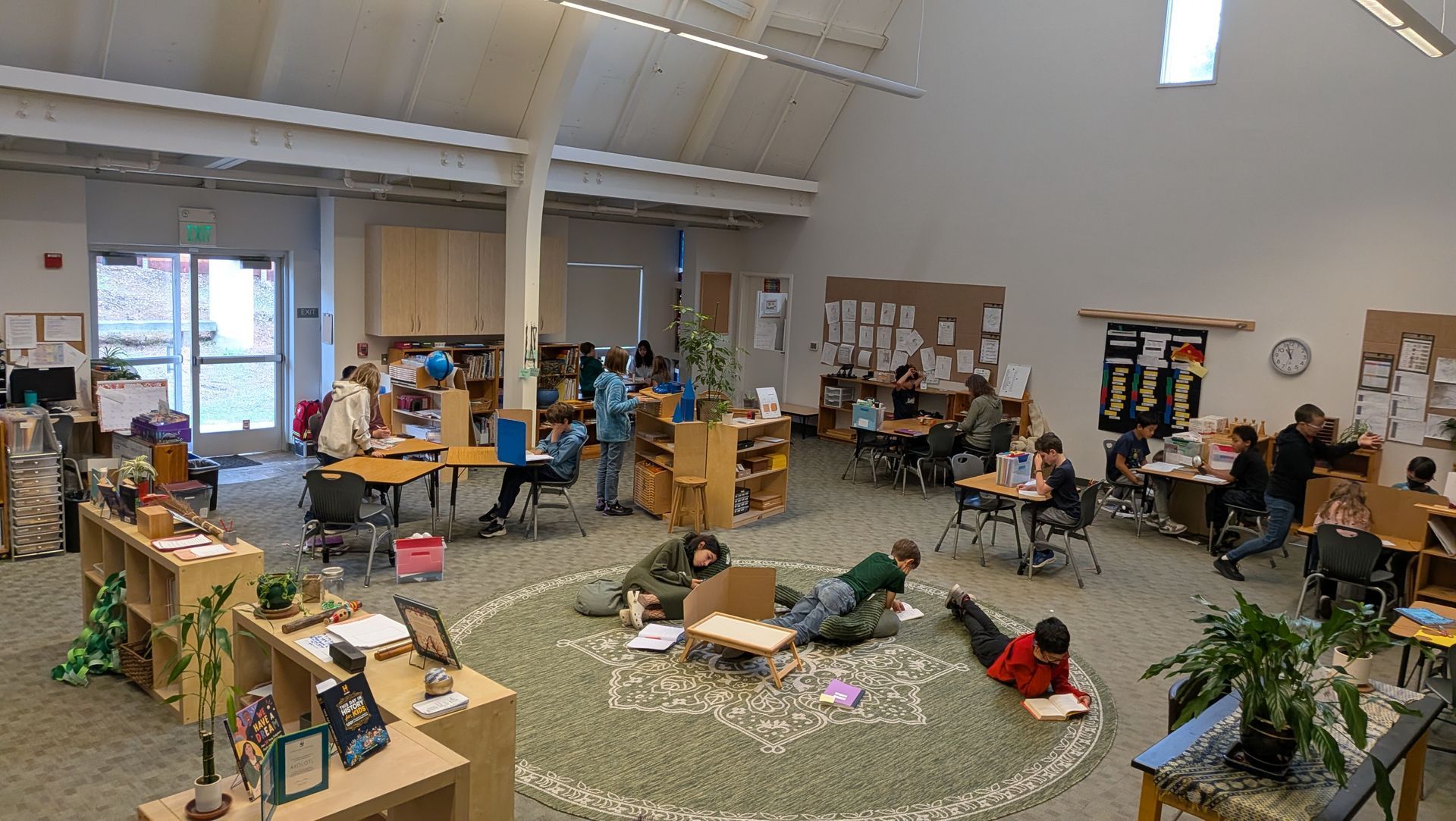
Curious about what this looks like amongst a community of learners? Come visit the school and see how Montessori children use their intrinsic motivation in powerful ways!