Caring for the Community and Environment
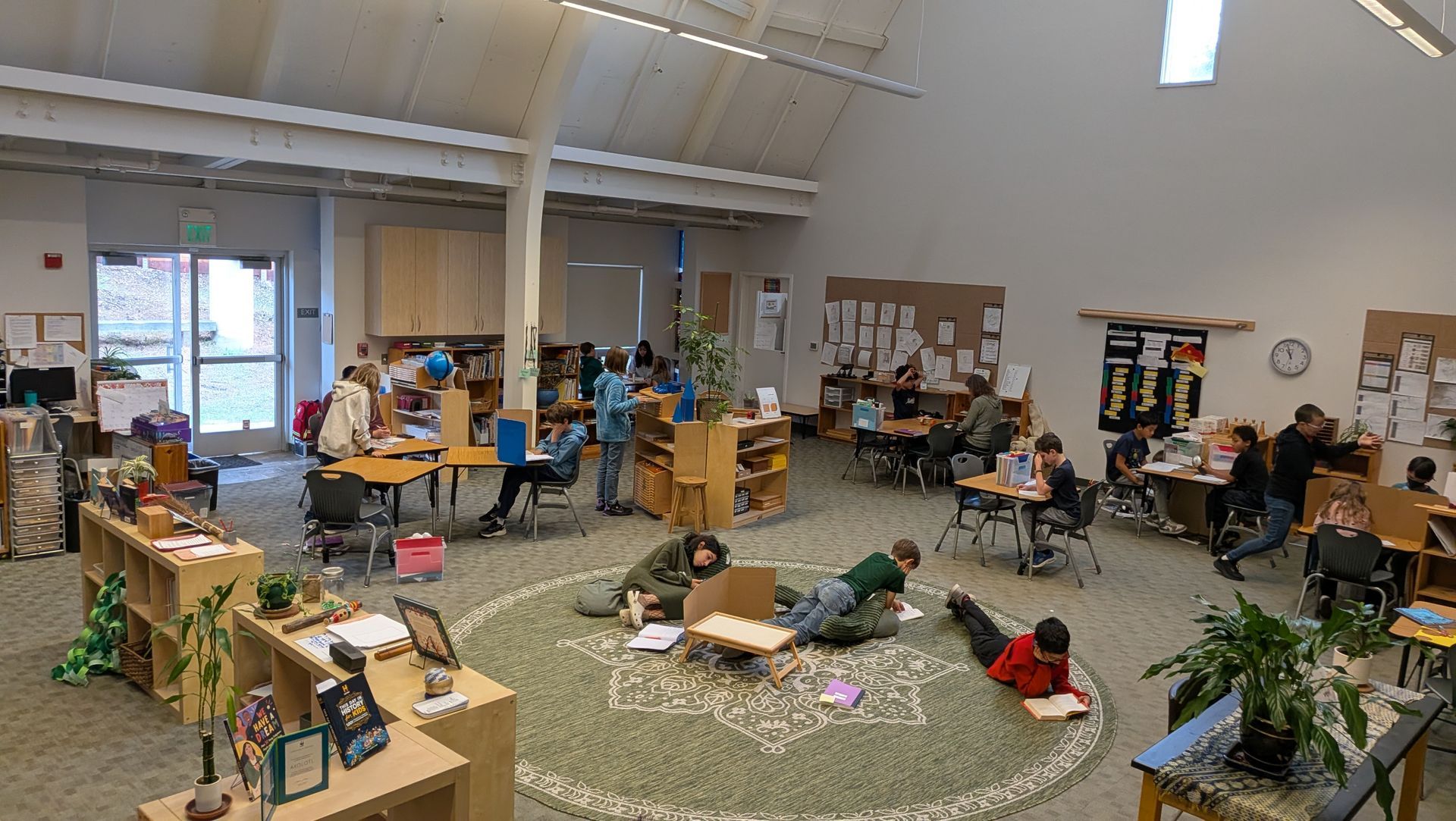
At Montessori Family School, we provide numerous ways for children to participate in the daily routines of the classroom community and surroundings.
Part of being in a community is participating in the daily routines to care for our surroundings. At Montessori Family School, we provide numerous ways for children to participate as community members.
Children love being able to help care for their environment through real and meaningful activities. In the process of helping maintain and care for their classroom and school, children develop a sense of belonging and responsibility.
Laying the Groundwork
In order for children to be successful in this process of caring for their surroundings, adults do a lot of behind-the-scenes preparation. We make sure we have materials ready that are both real and child-sized. Because young children learn from (and love!) repetition, we also want children to be able to continue working with the materials as long as they desire. This might mean having just the right amount of polish for cleaning the mirrors, or vases for arranging fresh cut flowers, or cloths for wiping the tables.
Real Outcomes
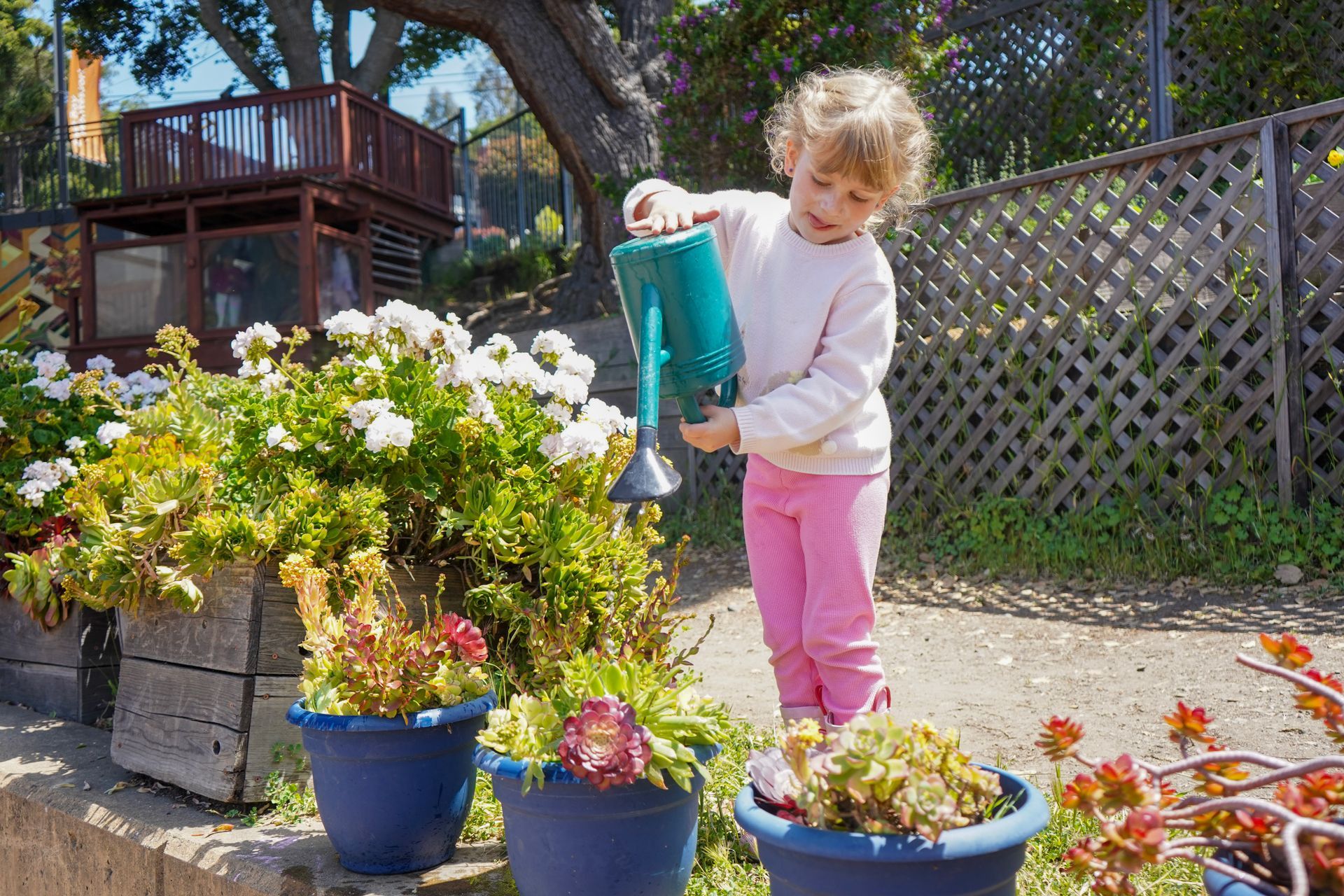
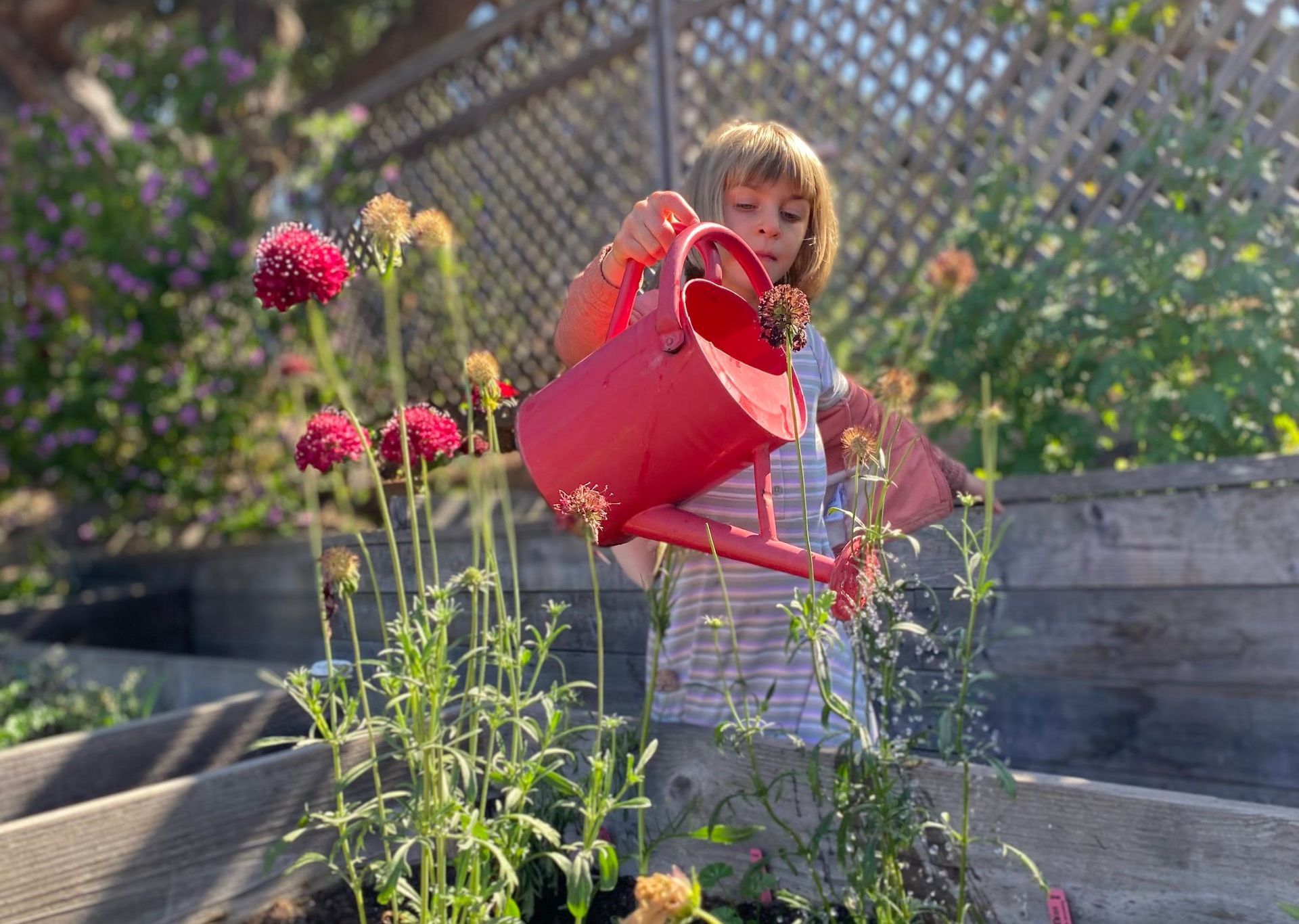
The activities we provide in Montessori environments are real work, rather than something to keep children busy. As such, the outcome of the activities must be clear and necessary. If the plants need water, children can water the plants. If the floor is wet, children can mop the floor. If a table is dirty, children can scrub the table.
Because our young people are learning how they can have an impact on their environment, adults work hard to not redo what children just did. Thus, if the table is still dirty, the adults leave it as is. Perhaps later another child can be invited to clean the table, but the adults refrain from swooping in and cleaning the table afterward.
Types of Activities
In order to determine appropriate care of the environment activities for the classroom, we observe children and also consider what practical maintenance needs to happen each day. If there is an easel with paint, we create a material for washing the easel. If there is an easel with chalk, we offer an activity for washing the chalkboard.
The specific kinds of activities depend upon community norms, the greater culture, the climate, and even the length of the day. Regardless of these variables, the activities always have an intelligent purpose and are part of the everyday, regular part of what happens in the community.
Individual Satisfaction to Community Impact
At first, children will pursue the activities for their own satisfaction. They will clean a table to enjoy the process of creating soapy bubbles and wiping them off the table. Later they will realize how they are caring for the environment in ways that benefit everyone. They will want to scrub a table because they see it is dirty and they want it to be clean. This realization causes children great joy. They love to contribute to the greater good!
To help children develop this awareness and sense of belonging, it is nice to acknowledge something a child has done that day to contribute to the community. However, we must tread lightly in this process so that children maintain a sense of doing the activity for themselves and the community, rather than for adult praise.
Responsibility
Ultimately, care of the environment activities help children learn how to be responsible for their actions. If a plant needs to be watered, and it isn’t watered, eventually the plant will die. We can offer children the opportunity to water the plant, but if no one is willing, there is a tangible and natural consequence. Children learn that their actions matter and they take great pride in being capable contributors.
Presentation
Before presenting these practical life activities, we work carefully as adults to practice the steps, ensure that the activity makes sense, analyze our movements, and be confident that the presentation flows. Once we create the activity, practice it, and present it, we step back and observe children working with the materials. In the process of observation, we ask questions like: Is this activity working? Do I need to change anything? Do I need to change some of the steps? Do I need to take out unnecessary steps? Does the activity need to be removed?
Ultimately though, children will observe what is essential in the activity and make it their own unique process. As children internalize the procedure, they will start to realize how capable they are. They will put their whole focus into the work and experience great satisfaction in the process of engaging with meaningful work in the community. They will develop a strong sense of belonging, and ultimately flourish into their fullest self.
Visit Montessori Family School to see all of this in action! Schedule your tour today.