How to Avoid the One-Word Review

September 12, 2022

Or, Questions to Ask Your Montessori Child in Place of "How Was Your Day?"
Written by Alissa Stolz, Head of School


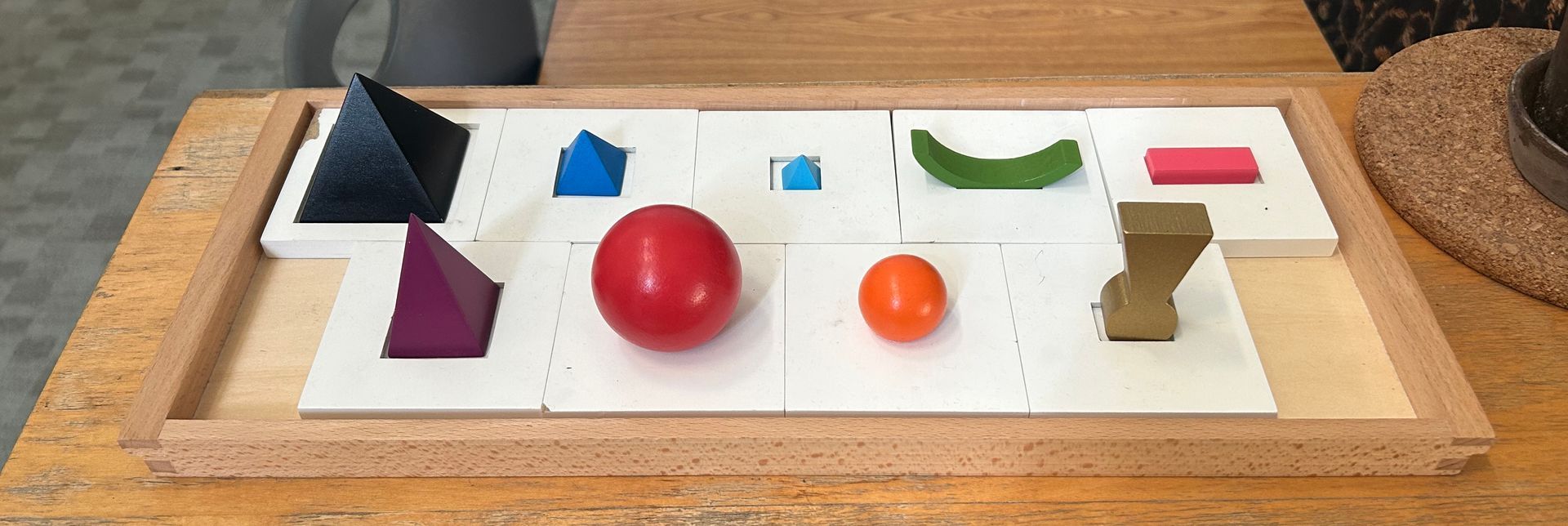
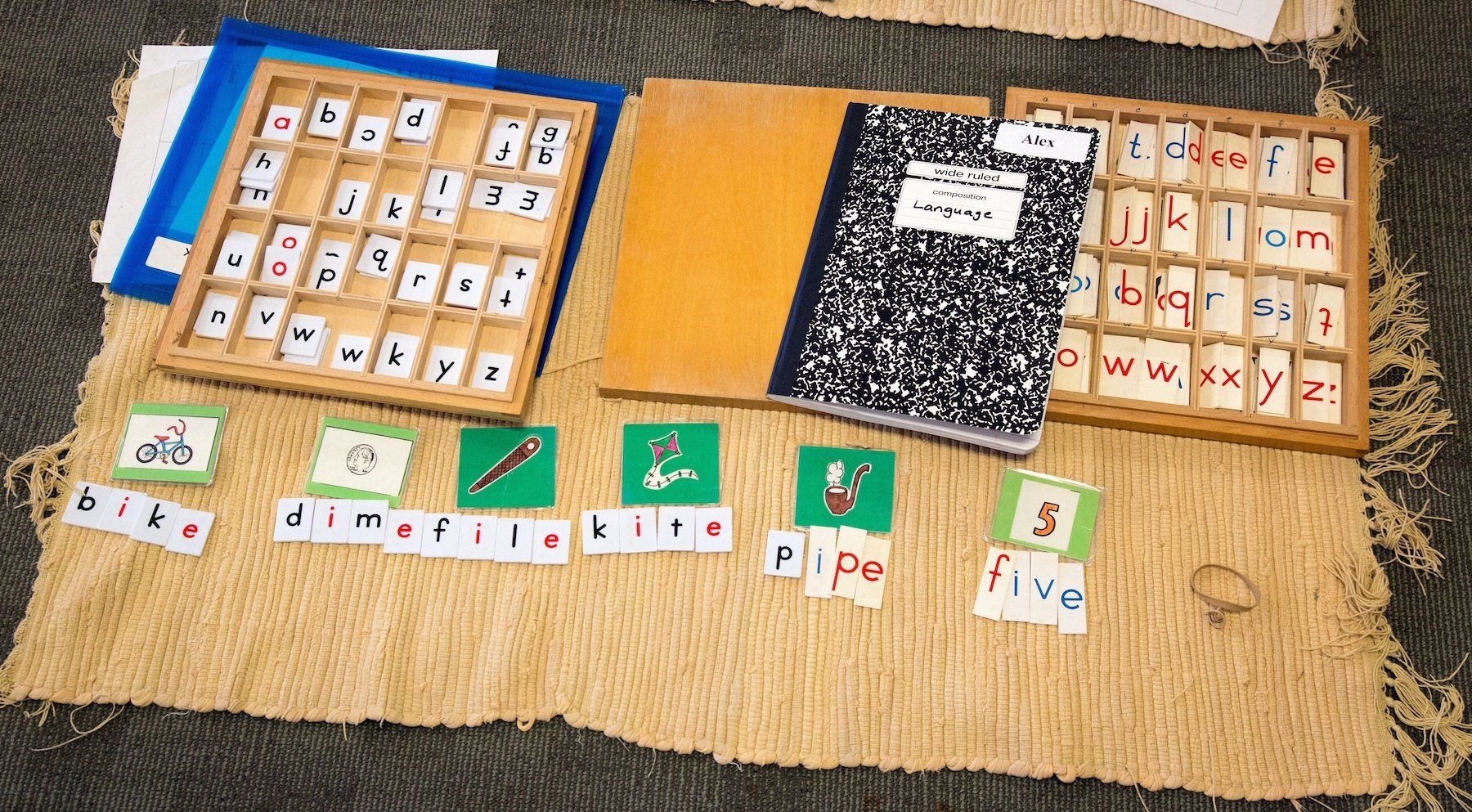
Remembering back to the days when my own Montessori children piled into the car after a day of school, there were some really wonderful conversations upon asking, “how was your day?” I wanted to find out what my kids had done during the day with the beautiful Montessori materials - the blocks, the beads, the language materials, and later the geometric solids.

What I discovered is that at the end of a long day with all the works and learning and discoveries a Montessori classroom can offer, sometimes the last question to inspire my child to speak was the dizzyingly wide-open, "how was your day?" Thinking about how to see this conversation from a young child’s perspective, I began to identify more nuanced questions to help my children formulate something to say about what they had done that day.

It was sometimes easier to work with images, making it easier for younger children. I might ask any of the following:

What was the largest number you worked with today?
What games did you play at recess?
Who was being kind today?
Which animals did you talk about today?
What was your favorite work today?

Thinking about questions as children grow and develop more complex understanding, they might sound like this:

If you could choose one work to do all day long, which one would it be?
What is a new word that you remember using/hearing today? Can you spell it?
What was a rule (or classroom agreement) that was discussed today in the classroom? Or, what new agreements did you make on the playground today?
Why do you think reading books/learning fractions/writing paragraphs is important?

These questions can prompt children to frame the events in their day in a way that can seem more manageable to their minds. It can remind them that today there were numbers and words and games and activities and learning and choices.

Even though my own college-aged children – both alums of the MFS middle school – do not ride home with me any more, as a parent I still want to know how school is going, even though we talk about it far less often. Talking about how the week went and reflecting on the learning that took place is a habit that has held up over time and though the questions I ask continue to evolve, I am always glad to hear what they have to say….even if I have to text my kids at college to find out.

Alissa Stolz
Head of School
July 21, 2026
Why a Montessori Classroom Is the Best Place to Make a Mistake
July 8, 2026
Providing "real work" for your child during the break
June 29, 2026
A simple, two-step action plan to keep your kids’ brains turned on this summer
June 22, 2026
Written by EBM's Upper Elementary Teacher, Emily Howard In the spring of 2020, parenting became more full-time than any of us could have fathomed. To keep from implosion and/or explosion, my partner and I decided we had to take a break from the hardest parenting task of the day: bedtime. Once a week, each of us left the house at bedtime and the other would put both children to bed. This was initially a challenge, with weeks of kid resistance and bedtime drama, but one person missed it each time and returned home with more capacity to parent the upcoming long day. In the pandemic, the house-leaving parent did the only available activities: went for a walk or a hike. Six years later, with older kids and a longstanding routine, we each leave the house a few nights a week, still mostly hiking or going to the gym in the winter, but sometimes having tea or dessert with a friend or just wandering, alone our thoughts. The parent who is home with both children also has special opportunities that can only come with that kind of dedicated time – there is no question who is “on point” and we don’t end up both half-engaged with the kids and never fully present. Two nights a week we do one-on-one bedtimes, so I have a night dedicated to my older child, who likes to go to the gym, and I get all the middle school gossip when we are on the elliptical side-by-side, and a night dedicated to my younger child, who likes a board game, a card game, or as much read aloud as possible. The intricate schedule of who is with one or both kids each night and who goes elsewhere is a steady force in our lives that makes space for both deeper connection and a regular opportunity to have time to myself. This one decision, initially made out of desperation, and continued because of its effectiveness, has strengthened our family both by letting parents have time to be humans and by giving us more intentional connection time with our children. I look forward to my solo evening hikes or alone time reading at a local cafe, but I also look forward to playing with my younger kid or working out with my older child. I have received gratitude from many friends who have heard about our success and moved to a similar plan as well – please report back if you try it!
June 15, 2026
Simple games that make learning feel like anything but homework
By Aleigha Lindstrom May 20, 2026
Montessori education nurtures children's deepest human needs — from exploration and meaningful work to belonging and personal growth. 
By Aleigha Lindstrom April 13, 2026
You’ve likely picked up your elementary-aged child from school and heard all about who said what to whom at lunch, and not a single word about reading or math. This social focus is the heart of their world. This is one of the most fascinating (and occasionally challenging) realities of the elementary years. The Montessori classroom is designed to give children freedom of movement and the ability to choose their own work. But during the elementary years, children are also intensely wired for social connection. Holding both of these things at once is the real art of Montessori at this level. 
By Aleigha Lindstrom March 26, 2026
Montessori grammar symbols help children see how language works.
By Aleigha Lindstrom March 10, 2026
Explore a curated list of children’s books about water, rivers, and watersheds. These stories invite curiosity, care for the planet, and meaningful reading at home.
By Rachel Kleinman January 6, 2026
A Montessori approach to understanding disrespect: why children use strong words, how adults can stay calm, and ways to protect connection over conflict.
Show More